
Table of Contents
Man Made Diamonds Explained
Out of machines come diamonds just like those found underground. These lab versions match natural ones atom by atom, spark and strength included. Without magnification, spotting which came from earth or equipment isn’t possible. Shine, toughness, how light dances inside – all line up perfectly. Grading them? Same rules apply: shape, hue, purity, size – nothing changes based on origin. Now it’s clearer how these gems come to be, more shoppers pay attention. A stone that shows its origins clearly, holds strong quality, yet costs less than earth-mined versions pulls in curious eyes. Not everyone sees reason to spend extra just for the label of natural. What matters grows obvious over time – honest details, solid make, fair price.
How Lab Grown Diamonds Are Made
Deep underground, nature takes millions of years to shape diamonds – scientists now speed up that journey using powerful machines. A tiny piece of diamond starts the job, slowly growing layer by layer inside a controlled chamber. One way uses intense pressure and heat, mimicking Earth’s mantle; another relies on gases breaking down in a vacuum. Each method builds gem-quality stones, atom by atom, without mining a single ounce of rock.
- High Pressure High Temperature (HPHT)
- Chemical Vapor Deposition (CVD)
Deep underground conditions inspire ready to ship engagement rings singapore. Instead of natural settings, high pressure and extreme temperatures shape the stone. In another approach called CVD, a chamber holds a gas full of carbon. Rather than relying on earth’s depths, scientists guide the process carefully. The carbon links to a small diamond piece, layer by slow layer. Over time, the structure grows into a visible crystal. Once formed, some stones receive subtle adjustments. These steps can change how light moves through the gem. After that, it gets shaped, smoothed, and assessed much like a natural diamond. Say you have a lab-created stone weighing one carat – its score could match an earth-mined one of identical traits.
Buyers Pick Man Made Diamonds
Most people pick man made diamonds because they get more for their money. For the same price, a bigger or better stone might be possible. That way, shoppers can zero in on what really counts. Size grabs attention for some. Some care more about sharp precision in shaping or clearer appearance. Yet another point? Visibility into the process. People often like being told exactly where their stone came from and how it formed. Today’s verification methods offer clear records on each gem’s traits and roots. With more of these stones reaching shelves, variety in fashion choices grows too. Now there are picks in forms, dimensions, and settings that span wide tastes.
Man Made Versus Mined Diamonds
Even if they start in different places, what you end up seeing looks almost the same.
Appearance
One might look just like the other, yet telling them apart usually needs specific tools. Only certain devices reveal if it formed underground or inside a lab.
Durability
Even if they start in a lab, these stones still match nature’s toughest gem. Not one bit softer than what comes from deep underground, just made differently. Hardness stays identical whether pulled from earth or built row by row in a chamber. Some might expect a difference, yet there isn’t any when tested. What matters is structure, not where it began.
Certification
Besides each getting a grade from known labs, they come with paperwork that checks how the stone was cut, its hue, transparency, and size in carats.
Price
For quite some time now, lab-made stones have carried lower price tags than natural ones of matching quality. That gap means shoppers can get more value without stretching the budget.
Assessing What Matters
Laboratory-grown diamonds follow the very same rules set for natural ones. Though made differently, they’re checked by identical measures.
Cut
Most of the time, how a stone is shaped decides how bright it looks. When cut right, light bounces around inside, making flashes that catch your eye.
Color
Fewer hints of color mean a diamond ranks higher. Often, these stones look closer to white.
Clarity
Inside a diamond, tiny features show up – these are called inclusions. On the surface, flaws appear too, known as blemishes. Experts look at both when judging clarity. What you see within matters just as much as what’s on the outside.
Carat Weight
Weight is what carat actually means, not how big it looks. Even if two stones weigh the same, they might look nothing alike because of shape differences. Look at how it’s cut before anything else. Better craftsmanship usually beats raw size – shine matters more than scale.
Choosing the Right Shape
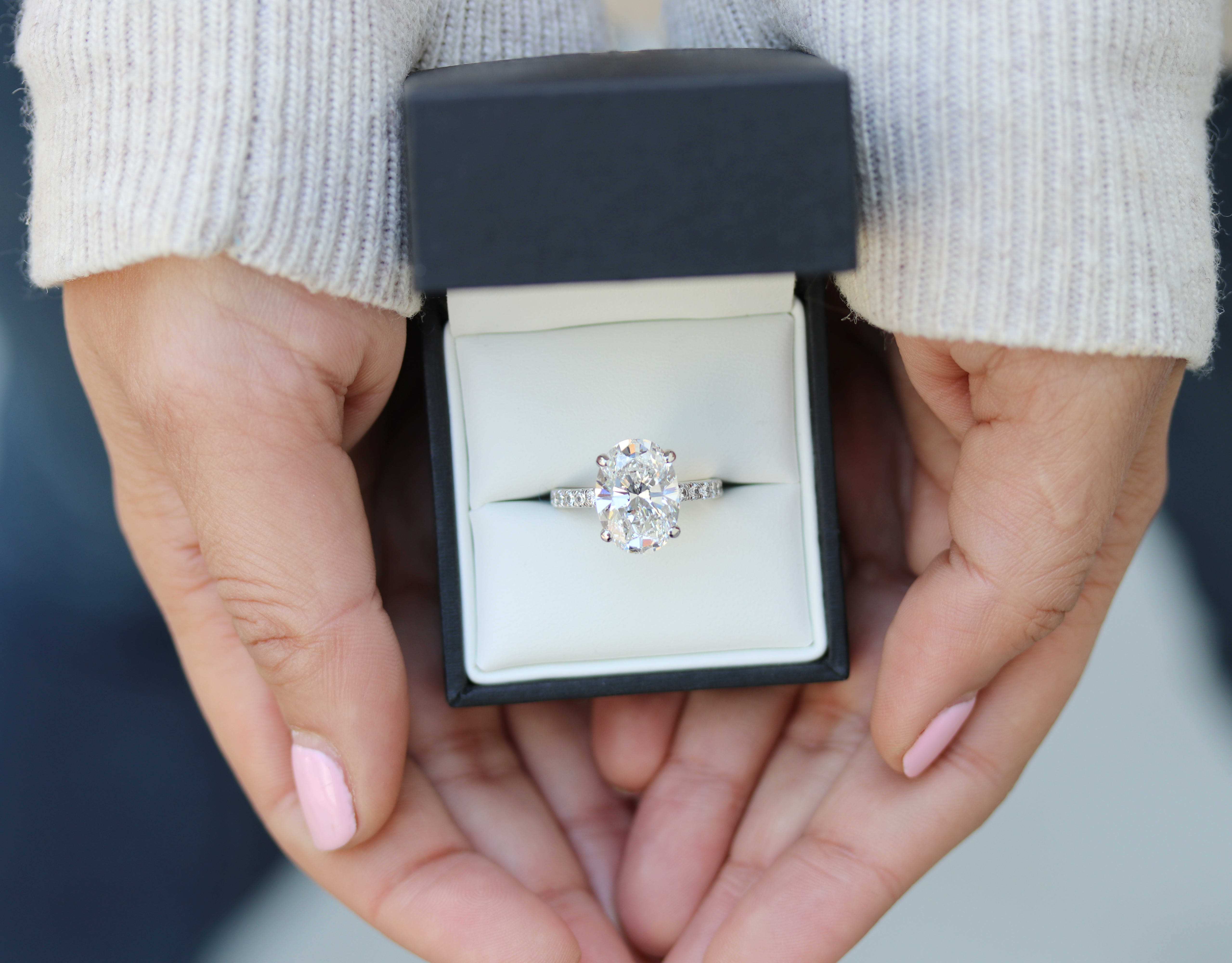
How a diamond looks ties closely to its cut. Round faces light well, while oval ones stretch the finger visually. Princess cuts shine bright yet feel modern. Emerald shapes offer sleek lines that catch attention differently. Each form brings something unique to the table
- Round
- Oval
- Cushion
- Princess
- Emerald
- Pear
- Radiant
Most people still pick round diamonds – they handle light better than others. Bigger look on the finger? That is where ovals shine. Clean edges and clear glass-like faces define emeralds. Picture this: one person wants fire and flash, so rounds win every time. Another leans toward sleek simplicity – that path often ends with an emerald shape.
Beyond the Purchase of a Promise
Some folks picking engagement rings now look at lab-made diamonds so they can stretch their money further. Not stuck choosing between size and sparkle they might afford a bigger gem or a fancier band instead. You see this shift clearly when speed matters most. Take those hunting for fast-delivery rings in Singapore – decisions there hinge on clear details like cut price and how soon it arrives. Most times lab-made diamonds let you pick from a wider range of options. If you are looking at engagement rings, here is what to keep in mind
- Set a realistic budget before browsing
- Review certification reports carefully
- Compare multiple diamonds rather than choosing the first option
- Focus on cut quality
- Select a setting that complements the diamond shape
Common Misunderstandings
Several misconceptions continue to create confusion.
They Are Real Diamonds
A real diamond can come from a lab. Unlike cubic zirconia or moissanite, it’s made of pure carbon. Though born in machines, its structure matches earth-mined stones. Not imitation – just a different origin story.
They Are Not Inherently Lower Quality
A single stone decides how good it looks. From lab work, gems come out in every kind of rating.
They Can Be Certified
Apart from natural stones, lab-created diamonds get assessed by independent labs. These facilities follow established benchmarks across the sector. Certification happens only after thorough analysis. Standards remain consistent thanks to widespread adoption in the trade.
What to Check Before Buying
Start by checking who actually graded the diamond. Look into the details like cut, color, clarity, and weight – get those numbers straight. A trustworthy seller should hand over full paperwork without hesitation. Think about what happens if you change your mind; know their return rules ahead of time. Seeing more than one stone at once helps spot differences that aren’t obvious on paper. Most people looking for ready to ship engagement rings in Singapore forget to check how fast they’ll arrive. Yet knowing the exact delivery window matters just as much as the design. One wrong size can spoil everything – so pay close attention to resizing rules. Some shops fix issues later; others won’t lift a finger. Picking support that lasts past purchase day makes stress vanish faster. Spending time now comparing small details pays off without flash or drama.
Frequently Asked Questions
Are man made diamonds real diamonds?
Fine. Identical makeup, look, and feel compared to natural stones dug from the earth.
Man made stones hold up just like natural ones over time.
These lab grown versions match mined gems in durability. Their sparkle stays strong through years of wear. Created under controlled settings, they share identical traits. Longevity depends on care, not origin.
So yes, both types endure equally well.
Fine. Real diamonds mean they hold up just as well, lasting long thanks to their natural strength.
Can man made diamonds be used in engagement rings?
True enough. Rings meant for engagements often feature them, offered in various forms – different cuts, dimensions, along with a range of clarity levels.