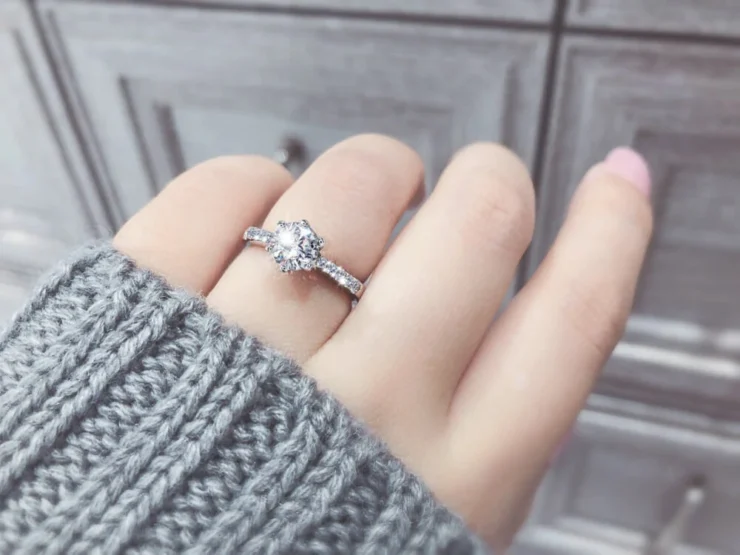

Lab grown diamonds Singapore consumers are increasingly choosing for engagement rings, wedding jewelry, and luxury accessories. These diamonds offer the same physical, chemical, and optical properties as mined diamonds while providing a different production process and pricing structure.
As awareness grows, more jewelry buyers in Singapore are comparing lab-created diamonds with natural diamonds before making a purchase. Understanding how these diamonds are made, how they are graded, and what affects their value can help buyers make informed decisions.
Table of Contents
Why Lab Grown Diamonds Are Growing in Popularity
Lab diamonds are real diamonds created in controlled laboratory environments. Manufacturers use advanced technology to replicate the conditions under which natural diamonds form beneath the Earth’s surface.
Two primary methods are used. The first is High Pressure High Temperature (HPHT). The second is Chemical Vapor Deposition (CVD). Both methods produce genuine diamonds with the same crystal structure as mined diamonds.
The rising popularity of lab-grown diamonds in Singapore stems from several factors. Buyers often appreciate the lower purchase price, wider selection of larger stones, and increased transparency regarding origin.
Lab Grown Diamonds Singapore: Understanding the Local Market
Singapore has become an important hub for fine jewelry in Southeast Asia. The market offers a growing number of retailers specializing in lab-created diamonds.
Consumers can find engagement rings, solitaire necklaces, tennis bracelets, and custom-designed jewelry featuring certified lab-grown diamonds. Many jewelers now offer both natural and lab-created options to meet changing customer preferences.
The local market is also supported by strong consumer awareness. Buyers frequently research diamond grading reports, compare prices online, and seek customization options before purchasing.
How Lab Grown Diamonds Compare to Natural Diamonds
A common misconception is that lab-grown diamonds are imitation stones. This is incorrect. Unlike cubic zirconia or moissanite, lab-grown diamonds are genuine diamonds.
The primary difference lies in their origin. Natural diamonds formed underground over billions of years. Lab-grown diamonds are produced in laboratories over several weeks or months.
From a visual perspective, even trained professionals often require specialized equipment to distinguish between the two. Both types receive grading based on the same quality standards.
Key similarities include:
- Identical hardness of 10 on the Mohs scale
- The same chemical composition
- The same brilliance and fire
- The same durability for daily wear
The most significant differences are usually price, rarity, and long-term resale dynamics.
Diamond Certification and Grading Standards
Certification plays a major role when purchasing any diamond. Reputable lab grown diamonds Singapore are graded by recognised gemological laboratories.
Common certification organizations include the Gemological Institute of America (GIA) and the International Gemological Institute (IGI). These grading reports evaluate the diamond according to the Four Cs:
Cut
Cut determines how effectively a diamond reflects light. Excellent and Ideal cuts typically produce the highest levels of brilliance.
Color
Color grades range from D to Z. D represents the most colorless diamonds.
Clarity
Clarity measures internal inclusions and external blemishes. Higher clarity grades indicate fewer visible imperfections.
Carat Weight
Carat refers to the diamond’s weight. Larger diamonds generally command higher prices, although quality factors also influence value.
Singapore buyers should always request and review certification before completing a purchase.
Price Advantages of Lab-Grown Diamonds
One of the strongest reasons consumers choose lab-grown diamonds is cost efficiency.
A lab-created diamond can cost substantially less than a natural diamond of similar size and quality. In many cases, buyers can purchase a larger carat weight while staying within the same budget.
For example, a buyer considering a one-carat natural diamond may find that their budget allows for a larger lab-grown diamond with comparable cut, color, and clarity characteristics.
This pricing difference has made lab-grown diamonds particularly attractive for engagement rings in Singapore’s competitive jewelry market.
Sustainability Considerations
Environmental concerns influence many modern purchasing decisions. Lab-grown diamonds are often viewed as an alternative to traditional mining because they do not require large-scale diamond extraction.
However, sustainability depends on several factors, including energy sources used during production. Some manufacturers operate facilities powered by renewable energy, while others rely on conventional electricity grids.
Buyers interested in environmental impact should ask retailers about production methods, energy usage, and sourcing transparency.
Popular Jewelry Styles in Singapore
Lab-grown diamonds are available in virtually every jewelry category.
Engagement rings remain the most popular choice. Solitaire settings continue to attract buyers because they highlight the center stone and maintain a timeless appearance.
Other popular options include:
- Halo engagement rings
- Three-stone rings
- Diamond stud earrings
- Tennis bracelets
- Pendant necklaces
- Wedding bands with pavé diamonds
Custom jewelry design has also become increasingly common. Many Singapore jewelers allow customers to select the diamond first and then create a personalized setting.
Factors to Consider Before Buying
Purchasing a diamond involves more than comparing carat size. Several practical considerations can affect long-term satisfaction.
First, prioritize cut quality. A well-cut diamond often appears more brilliant than a larger stone with poor proportions.
Second, review the certification carefully. Independent grading provides objective information about quality.
Third, compare multiple retailers. Pricing, warranties, upgrade programs, and customization services can vary significantly.
Fourth, consider your intended use. Daily-wear engagement rings may require durable settings that protect the diamond from accidental impacts.
Finally, verify return policies and after-sales support. Professional cleaning, resizing, and maintenance services can add long-term value.
The Future of Lab-Grown Diamonds in Singapore
The lab-grown diamond sector continues to evolve as production technology improves. Greater manufacturing efficiency has expanded consumer access to high-quality diamonds across various price ranges.
Jewelry retailers in Singapore are responding by increasing their lab-grown collections and offering more customization options. Younger buyers, in particular, are driving demand through a preference for transparency, value, and design flexibility.
As consumer education grows, the distinction between natural and lab-grown diamonds is becoming less about appearance and more about individual priorities. Some buyers value geological rarity, while others focus on size, budget, and sourcing considerations.
For anyone exploring fine jewelry options, understanding both categories provides a stronger foundation for making a confident purchase decision. Lab-grown diamonds now represent a significant segment of Singapore’s jewelry market and continue to attract buyers seeking certified diamonds with strong visual performance and competitive pricing.