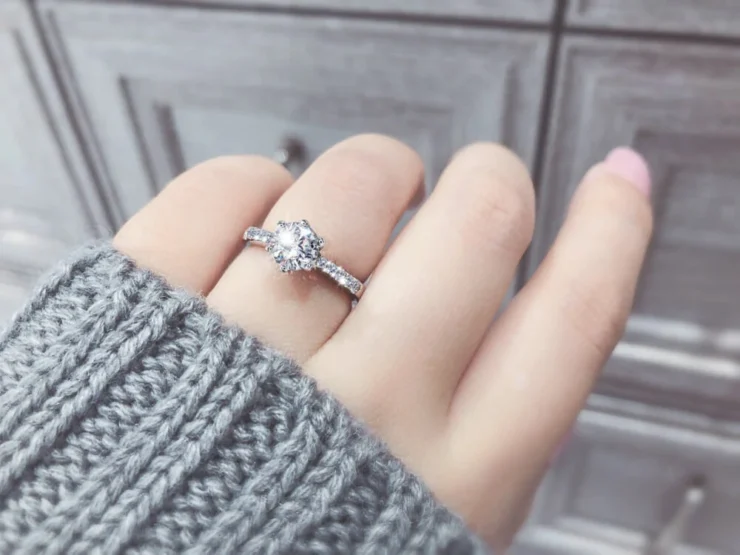

Most people in Singapore who buy diamonds today look for something smarter than tradition. These stones act just like natural ones – same sparkle, same hardness, same makeup under a microscope – yet cost less across many styles. Stores notice the shift. More shops carry verified lab made rings, necklaces, studs, and pieces built to order. Awareness spreads quietly, choice widens slowly.
Starting off, this guide walks through the process behind lab grown diamonds. Next comes a look at how these stones stack up against mined ones. Factors that shape worth come into play along the way. Shoppers will find details useful when deciding what to buy.
Table of Contents
Lab Grown Diamonds Explained?
Deep underground, nature takes ages to make diamonds. Not so in a lab – scientists speed things up with machines that copy Earth’s heat and pressure. These man made stones aren’t mined, they grow inside chambers where carbon atoms stack into crystal lattices. Real diamond structure? Yes. Same sparkle, same hardness. Just born on a workbench, not beneath layers of rock.
Folks who make things usually go one of two ways when building products
- High Pressure High Temperature (HPHT)
- Chemical Vapor Deposition (CVD)
Identical in atomic arrangement to earth-mined stones, these lab-created gems meet identical evaluation criteria. Because of this similarity, expert labs assess their quality just like they would any naturally occurring diamond.
A trained eye might guess right, yet spotting the difference between a lab made stone and one from deep underground takes tools only experts own.
Lab Grown Diamonds Chosen by Singapore Buyers
Nowhere is the shopper more careful than in Singapore, where picking jewellery means weighing craftsmanship, paperwork, proof of origin. These lab-made stones draw interest by acting like real diamonds but costing less.
Some of the main reasons include:
- Lower purchase cost compared with similar natural diamonds.
- Availability of larger stones within the same budget.
- Growing interest in traceable production methods.
From bold pieces to delicate chains, choices stretch across time – old favorites sit beside fresh styles. A mix unfolds where vintage meets now, each piece stepping into light differently.
A person setting aside a strict amount for an engagement ring might go for a bigger synthetic diamond, yet still keep high standards in hue and transparency.
Understanding Diamond Quality
A diamond’s grade rides on four key traits – no matter if it was made underground or in a lab. What shapes its value isn’t origin, but cut, clarity, color, and carat. These factors weigh just the same, whether mined from earth or built under glass. The source changes nothing about how experts score it. Each stone gets measured by identical rules, point for point.
Cut
Most of the time, how bright a diamond looks comes down to its cut. Light bounces around inside a properly shaped gem, making it shine brighter. Without a precise shape, even big stones lose their glow. The size means nothing when angles are off.
Colour
Fancy shades start at D – icy clear – and drift all the way to Z, where hints of yellow or brown begin showing up. In Singapore, most people eye stones ranked D through G when they want that crisp, clean look.
Clarity
Most flaws hide from naked eyes, yet they shape a gem’s value. Inside traits plus surface marks define its clearness score. Price often climbs when those features grow harder to spot. Magnified views reveal what daily sight misses.
Carat Weight
A diamond’s heft is what carat actually tracks, not how big it looks. Depending on the way it’s shaped, one stone might seem a touch larger even if both share identical weight.
Certification Matters
A stamp from an expert shows what a diamond is really worth. Before paying, people need proof written by someone who knows gems.
Most trusted gem labs check lab diamonds with set rules. A paper usually comes showing:
- Carat weight
- Cut grade
- Colour grade
- Clarity grade
- Measurements
- Growth method
- On some items, tiny marks appear made by a laser. These show specific information whenever needed
A buyer can judge a diamond clearly when it comes with certification. This way, they do not need to trust only what stores say about quality. Each detail stands visible without guesswork involved.
Lab Grown vs Natural Diamond Prices
One of the biggest reasons buyers research lab grown diamonds Singapore is pricing.
Starting at a lower price point, lab made stones often match naturals in specs but not in cost. How much cheaper they are changes based on the store, carat weight, current demand, and how flawless they look.
A single carat lab diamond, when cut precisely and graded near colourless, typically trades at a lower price than its natural counterpart. Because of that gap, shoppers might choose either more size or better clarity while staying within set limits.
Just because a diamond is lab made doesn’t mean it resells like mined ones. Think twice if you’re buying just to profit later – look into how prices are moving right now.
Popular Jewellery Picks in Singapore
Lab grown diamonds are available across many jewellery styles.
Popular options include:
- Engagement rings
- Wedding bands with diamond accents
- Stud earrings
- Tennis bracelets
- Solitaire pendants
- Anniversary gifts
Starting with the gemstone lets buyers pick exactly what they want. Some shops in Singapore let people build their own pieces from scratch. After choosing a diamond, it becomes easier to find a band or frame that fits both taste and price.
Lab Grown Diamonds and Ethics?
Each supply chain shapes its own moral questions simply by existing. What feels right depends on who moves what, and how far it travels.
Lab created stones appeal to shoppers who skip the usual mine-based origins. Yet others share details on where and how their gems are made.
What something does to nature ties back to power grids, how things get made, plus where they travel. Because of that, shoppers might look into eco details instead of thinking each item hits the planet the same way.
Choosing a Lab Grown Diamond
Starting with a clear plan makes it easier to sort through choices. Picking step by step cuts down what’s left on the list.
Start by setting a spending plan you can stick to. After that, think about what features feel most important. Size might be key for some people – yet others will care more about how well the stone is shaped.
After that:
- Start by looking at verified diamond reports instead of flashy product claims.
- Review magnified images or videos when available.
- Confirm the grading laboratory.
- Ask about return policies and warranties.
- Check what kind of metal holds the gem in place. A different material might sit beneath the surface than expected.
Looking at stores this way levels the playing field for side-by-side reviews.
Myths People Believe About Lab Made Diamonds
Some wrong ideas continue shaping what people choose to buy.
Myth: Lab grown diamonds are fake.
These stones share identical makeup and form with earth-dug diamonds. What sets them apart isn’t origin but how they’re made. Their sparkle comes from the same atomic arrangement found deep underground. Not shaped by time and pressure below ground – yet just as real. Lab creation doesn’t change their fundamental nature. The internal pattern matches exactly what geology produces. Even experts need tools to tell the difference. Realness here isn’t questioned – it’s confirmed by science.
Truth is, they appear just the same.
Most times, you cannot tell which is which just by looking. Lab made stones match mined ones in how they seem to the eye.
Fake idea: Their standard isn’t high. Yet people still believe it.
Certain factors shape quality – location of origin doesn’t matter. The Four Cs do.
Myth: Every lab grown diamond is environmentally friendly.
Some makers leave a heavier mark on nature, depending on where their power comes from. Others shift the balance when fuel types change hands.
Lab Grown Diamonds in Singapore Buying Guide?
It comes down to what matters most to you.
For those wanting genuine stones without stretching their wallet, lab made diamonds offer a solid fit. Shoppers drawn to verified gems crafted through current techniques often find these appealing too.
Some people choose natural diamonds because they value scarcity or lasting appeal. For many, it is the story behind a stone shaped by earth and time that holds meaning.
Seeing how they’re not the same helps shoppers choose by what they truly want, not just guesses.
Final Thoughts
Picking a lab grown diamond in Singapore? Options now stretch wider than at any point before. From budget picks to custom cuts, certified stones fit nearly every taste and setting. Because clarity, colour, carat, cut shape value, knowing them helps sort what matters. Certification papers matter – check those first when weighing one option against another. Prices shift fast between stores, so taking time to look around pays off quietly. Trust builds slowly; choose shops that show it without promising miracles. The right stone appears once all pieces – proof, price, provider – finally line up.