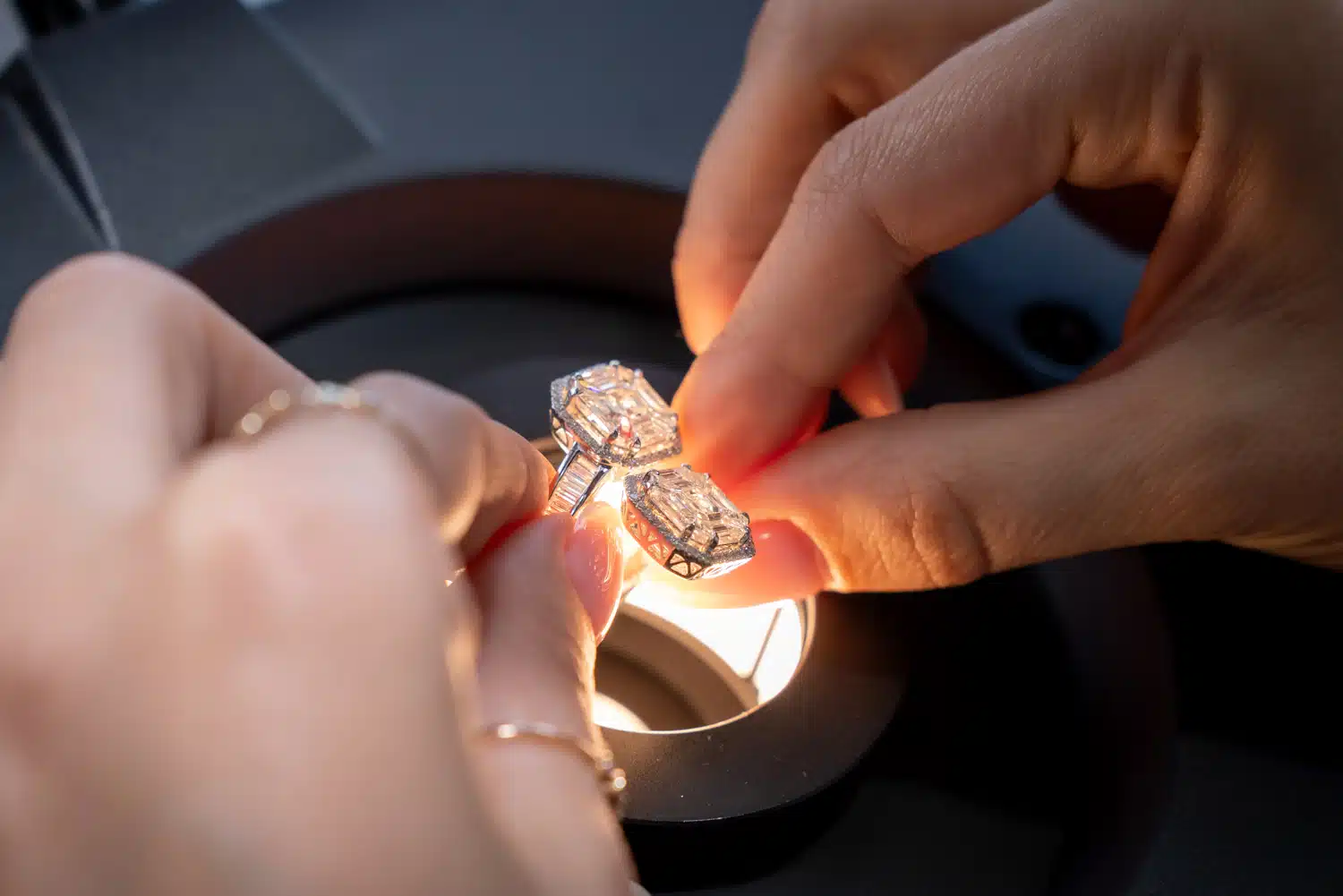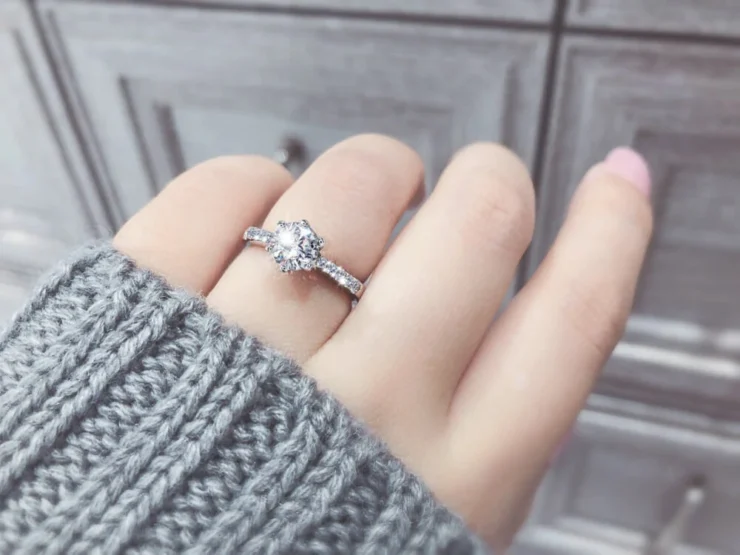

Two laboratory-grown diamonds can look almost identical, carry similar grades and still have different manufacturing histories. One may have been grown under intense pressure and heat, while another developed from carbon-rich gases inside a controlled chamber.
That distinction matters to buyers who want to understand what they are purchasing, although the manufacturing method alone does not determine a diamond’s beauty or quality.
HPHT, short for High Pressure High Temperature, is one of the two principal methods of producing laboratory-grown diamonds. The resulting stones have essentially the same chemical composition, crystal structure and optical properties as natural diamonds. Their origin is different, but they are genuine diamonds rather than simulants such as cubic zirconia.
Understanding the process helps buyers assess grading reports, compare stones and decide which specifications deserve attention.
Table of Contents
Inside the High Pressure High Temperature Growth Process
Natural diamonds form under immense pressure and heat deep within the Earth. The HPHT method recreates some of these conditions using specialised equipment.
A small diamond seed is placed inside a growth chamber with a carbon source and, typically, a metallic catalyst. The chamber operates at pressures of approximately 5–6 gigapascals and temperatures generally between 1,300°C and 1,600°C.
Under these conditions, carbon dissolves into the molten metal and crystallises onto the diamond seed. Over time, a larger diamond crystal develops.
Once the crystal reaches the intended size, it is removed, inspected, cut and polished.
The process can produce colourless, near-colourless and fancy-coloured stones. The final appearance depends on the conditions during growth, the presence of trace elements and the quality of subsequent cutting.
A useful distinction for buyers is that HPHT can refer either to the original growth method or to a treatment applied to an existing diamond. These are different processes, and the grading documentation should make the distinction clear.
HPHT and CVD: Does the Manufacturing Method Affect Quality?
Chemical Vapour Deposition, usually called CVD, grows diamonds using carbon-containing gases inside a chamber operating at lower pressure.
Both methods create crystalline diamond, although their growth environments and characteristic internal features differ.
An HPHT-grown stone may contain tiny metallic inclusions associated with the materials used during production. CVD-grown diamonds can contain other growth-related features, including graphitic inclusions or strain patterns.
Neither method automatically produces a superior finished gemstone.
A beautifully cut CVD stone may outperform a poorly proportioned HPHT stone in visible brightness and sparkle. The reverse is equally possible.
For anyone comparing laboratory-grown diamonds, the practical priority should be the finished stone’s proportions, transparency, colour, clarity and overall appearance.
Growth method is useful information about origin. It should not replace examination of the diamond itself.
What an HPHT Diamond’s Grading Report Reveals
Independent grading offers a more useful basis for comparison than a seller’s description alone.
Reports from organisations such as the International Gemological Institute (IGI) may identify the growth process, clarify whether there are indications of post-growth treatment and provide measurements and quality assessments.
Buyers should examine several details.
Cut and proportions: In round brilliant diamonds, carefully balanced proportions and cutting quality influence how effectively light returns to the viewer. A high carat weight cannot compensate for poor light man made diamonds.
Colour: Near-colourless diamonds can offer an attractive appearance without requiring the highest colour grade. The appearance of a particular grade also depends on the stone’s size, shape and mounting.
Clarity: Some inclusions are difficult to detect without magnification. A diamond with a lower clarity grade may still appear clean to the unaided eye, although this should be assessed individually.
Carat weight: Carat measures weight rather than face-up dimensions. Two diamonds with the same carat weight can appear different in size because of their proportions.
The report number should also be checked against the grading laboratory’s verification system. Buyers should not assume that a grading report provides a retail valuation or guarantees future resale value.
Why Growth Method Alone Does Not Determine Price
Laboratory-grown diamonds can differ considerably in price even when they share the same manufacturing method.
Carat weight, cut, colour, clarity, market conditions and retailer pricing all contribute to the amount charged.
A buyer comparing two stones should begin with their actual specifications rather than assuming that one production process deserves a premium.
There is also a distinction between purchase price and long-term value.
Laboratory-grown diamonds are commonly purchased for their appearance and jewellery use rather than for dependable resale returns. Their resale market can be limited, and future prices cannot be predicted reliably.
For an engagement ring intended to be worn for many years, spending on cutting quality, a secure setting and comfortable construction may deliver greater practical value than paying extra for an invisible difference in grading.
Matching the Diamond to the Ring Design
The jewellery setting influences how a diamond looks and how comfortably it can be worn.
A round brilliant is a versatile option for solitaire designs because its symmetrical shape works with several prong and bezel arrangements.
Oval and pear-shaped stones offer elongated outlines, but their proportions need careful inspection. Some display a darker bow-tie pattern across the centre, and the visibility of that pattern varies from stone to stone.
Emerald-cut diamonds present a different decision. Their broad, step-cut facets can make inclusions easier to notice, so clarity deserves closer attention.
Setting design matters too.
A four-prong solitaire leaves more of the diamond visible, while a six-prong design provides additional points of contact. A well-made bezel surrounds the stone’s edge and can offer useful protection for active daily wear.
Buyers considering hpht diamonds for a custom engagement ring should compare actual diamond measurements alongside the proposed setting, especially when selecting an elongated shape or a low-profile design.
A ring can look balanced in a digital illustration yet feel noticeably different once the finished stone is mounted.
Identifying Treatment and Checking Authenticity
A laboratory-grown diamond does not become a different material because it has received colour-enhancing treatment.
However, buyers should understand what treatments have been applied and how the stone’s origin is disclosed.
Some CVD-grown diamonds undergo HPHT treatment after growth to improve their colour. Such a stone remains CVD-grown, even though high pressure and temperature were used during treatment.
This is why descriptions such as “HPHT treated” and “HPHT grown” should not be treated as interchangeable.
Gemological laboratories use advanced testing to identify growth characteristics that may not be visible during ordinary jewellery inspection.
For a consumer, a credible grading report and accurate disclosure are considerably more dependable than attempting to identify a stone through its appearance alone.
Practical Details for UK Jewellery Buyers
When ordering laboratory-grown diamond jewellery in the UK, the final purchasing decision should account for the entire piece rather than concentrating solely on the centre stone.
A few questions can clarify the offer:
- Is the diamond independently graded, and can its report be verified?
- Does the documentation identify its laboratory-grown origin and any relevant treatment information?
- Are the ring’s metal specification, setting style and diamond measurements clearly stated?
- Is resizing available if the ring does not fit as expected?
- What are the conditions for returns, repairs and manufacturing warranties?
For made-to-order or personalised jewellery, the return policy deserves particular attention. Customised goods may be subject to different cancellation rights from standard products, so the seller’s terms should be reviewed before payment.
It is equally useful to establish whether the stated price includes the complete ring or only the loose diamond.
Selecting Specifications That Matter in Daily Wear
The most useful final comparison is between actual diamonds that meet the intended budget and design requirements.
For a round brilliant, assess cutting proportions and visible light performance before paying for a higher colour or clarity grade that produces little noticeable difference.
For an emerald cut, prioritise a pleasing outline, attractive step-facet reflections and inclusions that do not distract from its open appearance.
For an oval, examine the stone face-up under different lighting conditions rather than relying entirely on a grading report or a single photograph.
The mounting should then be checked for practical details: secure prongs, comfortable band thickness, suitable wedding-band clearance and accessible cleaning around the diamond.
Regular cleaning and occasional professional inspection will help maintain the jewellery’s appearance and identify loose settings before they become a problem.
An HPHT-grown stone deserves the same careful assessment as any other diamond. Its manufacturing history explains where it came from; its cut, proportions, grading and craftsmanship determine how well it serves the person wearing it.