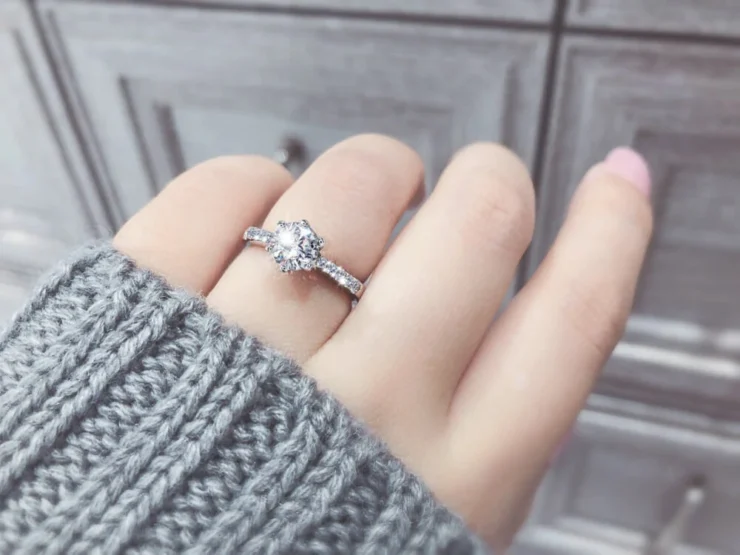

Nowadays those buying jewelry wonder things they never asked before. Beauty matters, yet so does cost, where it came from, what it might be worth later. That change explains why more folks are getting curious about lab grown diamonds. Real diamonds. Not mined, but made above ground in labs where conditions are tightly managed. Crystal by crystal they form just like the ones below the earth’s surface. Same toughness, same sparkle, identical structure. How they come to be sets them apart. What matters most if you’re choosing one? That fact stands clear. Most people choose lab grown stones because they look just like mined ones. Yet you pay less for them most of the time. That explains why so many engagement bands, wedding loops, and trendy jewelry pieces feature these created gems today.
Table of Contents
Growing Diamonds Without Mined Ore
Deep beneath the surface, natural diamonds slowly take shape where pressure squeezes carbon over vast stretches of time. Heat plays its part, working quietly through ages. Only recently have people figured out ways to mimic those hidden forces above ground. One technique follows a path different from the other. Each method skips shortcuts, building diamond atom by atom.
- High Pressure High Temperature or HPHT
- Chemical Vapor Deposition or CVD
A deep spot within Earth inspires HPHT. Pressure pushes hard on carbon, heat climbs high. Slowly, a crystal takes shape. CVD skips that path entirely. Inside a shut room sits a slim slice of diamond. Heat brings carbon filled gas into play. Slowly, carbon sticks to the seed as layers build up over time. These processes form gems just like natural ones in makeup. For instance, a lab grown one carat gem may mirror a mined version right on the finger. Experts sometimes require equipment to tell them apart.
Buyers Pick These Stones
Shopping for a ring usually means weighing price against how it looks and where it comes from. Yet lab made gems shift those priorities in quiet ways. A bigger diamond or one with fewer flaws might fit your number if you go cultured. That helps when standing out matters just as much as staying within range. Knowing where a stone began its journey plays a role too. A steady flow of lab-made gems means fewer guesswork steps from creation to sale. That openness pulls in certain shoppers, yes. Designs can go off script now – no need to stick to nature’s limits. Matching stones? Easier when every batch feels like the last one. It isn’t about trends; it’s about what fits daily work for those selling them.
How They Appear When Worn as Jewelry
Warm pink hues show up clearly next to shiny clear gems. That happens because rose gold mixes copper into the metal blend. Bright diamonds pop when set beside it. Lab made stones now appear often in these styles. Elegance comes through in how colors face off against one another. This explains why lots of rose gold diamond rings today include lab grown gems. Warmth comes through the metal, yet the stone sparkles with cool brightness. As someone choosing jewelry, you get harmony – something wearable every day but still fitting for big moments. Take a basic solitaire in rose gold set with a one carat diamond – it manages to feel gentle, even when it reads contemporary.
How Quality Gets Judged
Not every stone comes from deep underground. Lab-made diamonds go through the very same rating process as those pulled from mines. One looks at cut, clarity, color, because these matter just as much. Each trait gets studied under bright light. What counts is how it performs across all points, never skipping a step.
- Cut
- Color
- Clarity
- Carat weight
Light bounces off a diamond based on its cut – that shapes what you see. Noticing color means checking how close to clear the stone looks. Tiny spots inside show up when man made diamonds. Weight comes down to carats – nothing more. Buying lab grown stones? A certificate from an established lab helps keep things straight. A single carat doesn’t mean two diamonds will sparkle the same – cut quality often changes everything. Brightness comes through precision, so check the grading first instead of weight. One might shine far more even when sizes match.
Price Differences Worth Knowing
A big reason folks look at lab made gems? Cost. Making them in labs avoids a lot of digging expenses. That means stores often charge less than they do for natural diamonds that look just as good. Sometimes the difference hits 30 or even 40 percent off. This opens doors. Your pick
- A larger stone
- A higher clarity grade
- A more detailed ring setting
Still, think about what happens when selling later. Real diamonds often keep worth longer thanks to years of steady demand. Lab-made ones aren’t worthless though. Just know they’re best enjoyed by the wearer, not saved like stock.
Lab Grown Diamonds Common Misunderstandings
Confusion lingers around what shoppers actually get. Not every statement floating around holds up. Take the idea that man-made gems aren’t genuine – wrong. These stones share the exact makeup as mined ones. Real down to their core. Fake diamonds seem boring to some folks – yet their sparkle actually hinges on how well they’re cut, much like mined gems. Here’s another idea floating around: that lab stones stand out clearly – when in truth, spotting them takes tools most individuals do not carry. Knowing this stuff changes how you move through stores, making choices feel less shaky.
Choosing a Ring
Pausing before that diamond purchase makes sense. Look closely at what matters. The way it’s set changes everything. Worn each morning, slipped on without thought – how does it hold up? Solitaires handle routine life smoothly. Halo styles bring more flash when light hits just right. Beginning with memories, three-stone rings point to what was, is, will be. Moving ahead, check the diamond’s official quality details. A stamp from trusted labs matters most here. Good shape and how light bounces out – pay close attention to that. After looking at more than one option slowly, pick only then. Light shifts might make a gem look totally different depending on tiny details like shape or tint. Some stores sell lab grown stones set into jewelry – think wedding bands, necklaces, ear pieces.
Maintenance and Long Term Care
Lab-grown diamonds match natural ones in toughness. Rated 10 on the Mohs scale, they shrug off scrapes like few gems can. Still, everyday wear takes a toll. Simple upkeep keeps them looking sharp – no surprises there.
- Every now and then, give your ring a wash using gentle soap along with lukewarm water
- Steer clear of harsh chemical cleaners
- Keep each piece of jewelry apart. That way, one won’t rub against another. Metal stays smooth when pieces don’t touch. A small space between them helps avoid marks. Over time, separation keeps shine longer
- Check prongs once a year
A loose prong might let the diamond drop out, although the gem stays tough. Spotting it early stops trouble before it grows. Decades pass, yet the ring holds on – when looked after gently.
Questions People Ask
Are lab grown diamonds real diamonds?
Fine crystals grown in labs match earth-mined stones right down to their atomic layout. These gems share hardness, sparkle, weight – every trait tied to carbon’s arrangement. Location sets them apart: one beneath rock layers, the other inside controlled chambers.
Lifetime sparkle in lab diamonds – how does it hold up?
Freshness comes from how precisely it was shaped plus whether dirt hides on the surface. Shine stays forever when the craftsmanship hits the mark.
Could this option fit what feels right?
Folks often pick these since a bigger gem fits the price range – sometimes even one that sparkles cleaner. These days, you’ll spot them on plenty of proposal fingers.