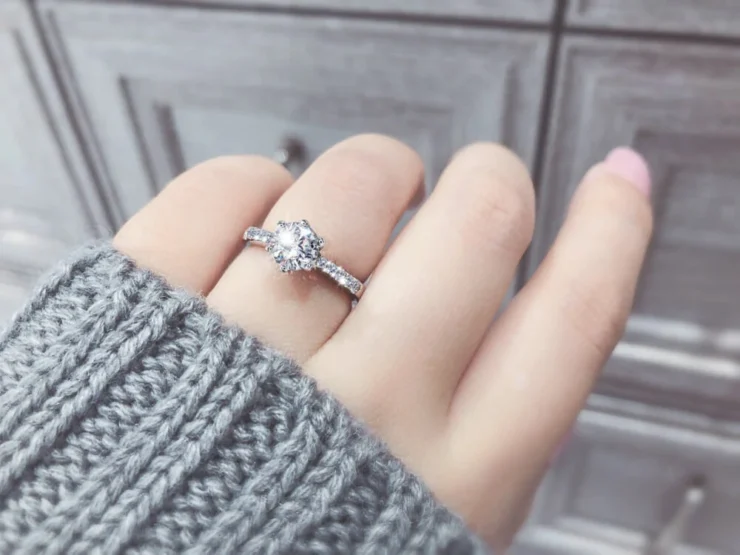

A spark begins not underground, yet still becomes a diamond – built in labs under steady conditions rather than pulled from soil. Exactly like mined ones in structure and shine, molecule by molecule, copy after copy. Origin tells the tale; everything else matches step for step. Some name them artificial, others say grown in rooms – but light dances just the same across each face. Shoppers who weigh conscience and price tend to lean this way when choosing. A gem nearly identical to earth-mined diamonds arrives with a gentler cost. Because of this, reaching for bigger carats or cleaner stones doesn’t always mean spending more than planned.
Table of Contents
Loose Lab Grown Diamonds Explained
A person might choose loose lab grown diamonds they fit different needs. Picking one means deciding on size, then shape, followed by quality. Lab created stones come without digging into the earth – these are made in rooms with controlled settings
- What you pay for shows up clear as day. Grading details sit right there, plain to see. No guessing how scores were reached. Every mark has a reason behind it. You get full view of the process start to finish
- Better value per carat compared to mined diamonds
- Ability to match with custom jewelry designs
- Farming materials now skips the harm that digging deep used to cause. What once scraped the earth’s skin is gone, replaced by quieter methods. Because of this shift, forests stay rooted and rivers run cleaner. Choices today shape less scarred landscapes. Damage fades where new habits grow
A single stone, unmounted, gives a clear view of its true look. Because nothing hides the details, what you inspect is exactly what you get. Seeing it up close means no surprises later on.
What to think about when buying
A diamond made in a lab needs careful thought about its main features
Cut
A stone’s sparkle depends on its cut. Because it’s crafted a certain way, light bounces better inside. Most times, that shine comes down to precision, not just the outline you see. When looking closely, focus shifts from form to how smoothly angles meet.
Color
Faint hints of yellow or brown sometimes show up in lab diamonds. To get that clean white appearance, go for stones rated colorless – or just shy of it.
Clarity
Inside a diamond, clearness tells you how many tiny marks live within. Lab-made stones usually carry less baggage than earth-dug ones. To hit the sweet spot between cost and neatness, aim for VS or SI labels on the report. A quiet detail makes all the difference.
Carat
Size is what carat actually means. When diamonds aren’t set yet, picking the right dimensions becomes easier. A bit extra spent on larger might catch the eye more than flawless purity.
Where to Buy Loose Lab Grown Diamonds
Purchasing through internet stores works for some folks. Local shops appeal to others just as much. One way saves time, while the other offers face-to-face chats. Shopping online means delivery waits, whereas walking into a store gives instant results. Some trust websites after research; meanwhile, others rely on in-person advice. Either path leads to ownership – just different routes
- Finding more choices happens often on internet shops. Because one can check prices without hassle. When shopping online, options multiply quickly. With less effort needed to spot differences between products
- Around the corner, real shops give a chance to check out the stone face to face
- Buying a certified diamond means you take less risk, no matter where you make the purchase
A stamp from a trusted lab might be worth looking at. What’s on that paper tells you what the stone really is. When choices come up, having those details makes sorting them easier.
How to Evaluate Value
Starting off, lab grown stones usually sell for between twenty and forty percent below natural ones. Yet how much they cost can shift depending on their color, clarity, size, and how well they’re cut. A thoughtful pick means looking at these details one by one
- Comparing similar diamonds across multiple vendors
- Focusing on cut instead of color or clarity brings more sparkle
- Looking at return policies and warranty
A single carat stone with minor flaws might outshine a near-perfect smaller one when cut just right. What feels important to you shapes that choice.
Caring for Lab Created Diamonds
A sparkle stays bright when treated right, even if it’s made in a lab created diamonds. Care matters just as much for stones grown underground or above.
- Rinse gently using warm water along with a touch of gentle soap. A jewelry cleaning solution works too when applied carefully. Finish by drying slowly on a soft cloth after washing
- Keep it apart so pieces nearby stay scratch-free
- Look at the little claws often when they hold stones in ring bands
Fresh sparkle lasts longer when you treat the stone right. Care day after day makes a difference most never notice. A little attention every now then stops dullness creeping in. Clean gently, store smart, wear without worry. Bright stays bright when habits do the work behind the scenes.
Ethical and Environmental Advantages
Picking diamonds made in labs means less harm to nature. Digging up natural stones tears apart soil, uses lots of water, yet demands heavy power. Man-made gems skip that whole mess. Because they’re built in controlled spaces, shady work conditions fade away. When loose lab-created diamonds enter your ring or necklace, the market shifts – slowly, quietly – toward fairness and care.
FAQ
Are lab created diamonds real?
Fine. These stones match real diamonds in every chemical, physical, and visual way. What sets them apart? Just the creation process.
Do loose lab grown diamonds cost less?
Fifty percent off? Not quite. Still, lab diamonds often come in at 20 to 40 percent lower per carat when matched against natural stones of equal grade. Price tags dip – same sparkle, lighter burden.
Reselling Lab Diamonds Allowed?
Fine, though secondhand prices might sit below those of natural stones. Clear records plus solid proof back up what they’re worth.