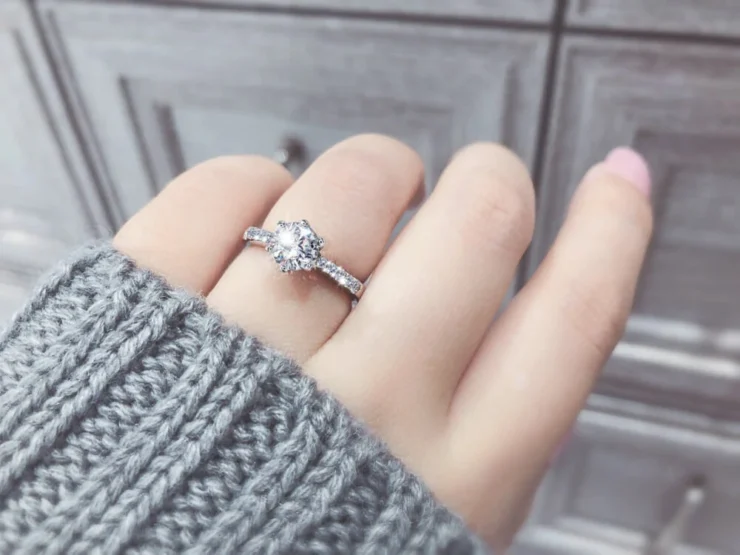
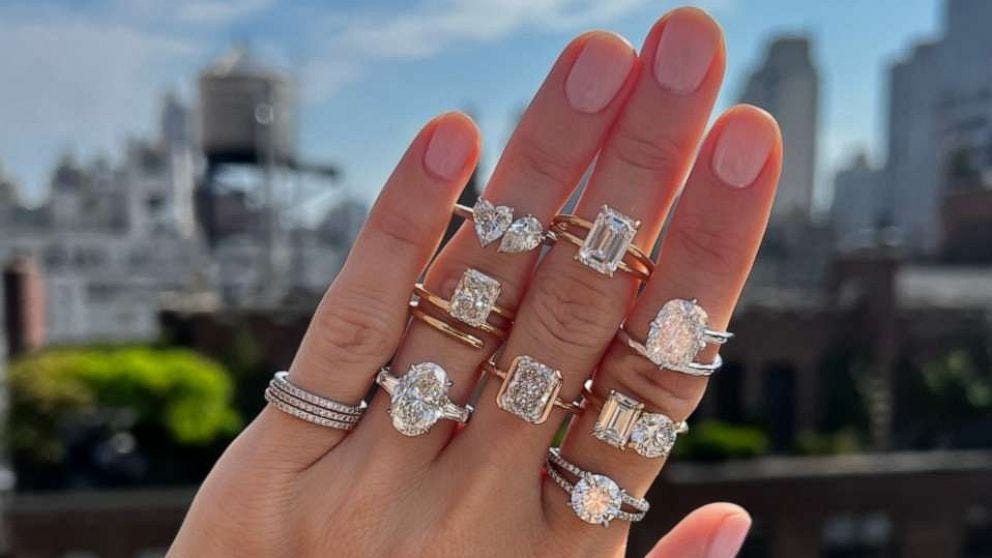
Rings meant for engagements carry meaning – love, loyalty, something ahead. For ages, real diamonds took center stage, prized because they’re hard to find, shine bright, last long. Yet lately, stones made in labs grabbed attention, offering a fresh take that feels right for some, easier on wallets too. What’s unfolding now? A closer look at these rings, how manufactured gems climbed into view, what they bring, reasons more pairs lean their way when saying yes.
Table of Contents
The Importance of Engagement Rings
A promise shaped into gold, an engagement ring marks where two lives begin weaving together. Centuries old, its roots twist through time, long before stones were set in bands. Diamonds rose to fame not by chance but through clever stories told in ads, painting them as forever. Though simple at glance, each ring carries weight far beyond sparkle – more like a quiet vow worn on skin.
A single sparkle catches light like few others can. Built tough, these stones top nature’s strength chart – nothing else ranks higher when tested. Worn every day without worry because life won’t easily mark them up. Some sit alone on the band, some glow brighter surrounded by tiny helpers. Old-world curves mix with clean new lines depending on what feels right. Choices stretch wide, shaped not just by trend but by who wears them.
Lab Grown Diamonds Explained?
Diamonds made in labs – sometimes called synthetic or man-made ones – begin their life inside tightly regulated spaces where conditions mirror those found far beneath Earth’s surface. Starting deep underground but ending above it, these stones grow under careful setups meant to copy nature’s original method. With tools like chemical vapor deposition, experts guide carbon atoms into forming crystal structures just like mined gems. High pressure and extreme heat play a role too, shaping replicas through methods known as HPHT. Though born in machines rather than rock layers, they match real diamonds atom by atom, sparkle included. Their brilliance comes without centuries of geological waiting. Hidden wires and glowing chambers replace volcanic pipes and time.
What sets lab-grown diamonds apart from look-alikes like cubic zirconia is their identical atomic makeup to mined stones. These created gems share the exact crystalline lattice built purely of carbon. Because of this, their durability matches perfectly – just as tough on the surface. Light dances through them in the same vivid way. Gem experts examine them under microscopes using familiar scales: how well it’s cut, its hue, purity inside, and heft. For verification, respected institutes apply unchanged rules used for earth-mined versions. Their sparkle holds up without difference when judged side by side.
Lab Grown Diamonds Engagement Ring Choice?
- Ethical and Environmental Benefits
- What draws many couples to lab-created stones is how they’re made without harming people or ecosystems. While digging up natural gems often leads to damaged landscapes, worker exploitation, or funds for wars in some areas, these alternatives avoid such issues entirely. Created indoors under precise conditions, they leave far less mark on the planet. For those who care about fairness and sustainability, wearing one reflects more than romance – it mirrors personal beliefs. A quiet choice, yet full of meaning.
- Cost-Effectiveness
- A fraction smaller in price tags, lab-made diamonds often sit 20 to 40 percent below naturals with matching cut and carat. Because of that gap, some pairs stash cash while others stretch toward shinier or broader gems without shifting budgets. Easier reach into dazzling stones means more hands can hold what once felt out of range.
- Quality and Variety
- Fewer flaws show up in lab-made stones since conditions stay exact each time one forms. At any set cost, these gems often beat mined ones on clarity and shade. A range of shapes and hues opens up when creation happens off earth instead of deep underground. Personal preference gets room to breathe through wider choices not tied to nature’s limits.
- Transparency and Certification
- It’s common for trusted vendors of man-made diamonds to include official papers from neutral testing centers – proof the gem is real and meets standards. When shoppers see those documents, clarity comes fast; trust grows because there are no hidden details.
Common Engagement Ring Designs Featuring Lab-Created Diamonds
Lab-created diamond rings come in designs just like mined ones, offering pairs a wide range of options
- A lone gem takes center stage on a smooth band, making its sparkle impossible to miss. Though grown in labs, these stones carry the very same glow seen in traditionals of old.
- A single diamond takes center stage, circled by tiny gems that boost its shine, giving the illusion of size. With lab diamonds, that glow gets amplified without stretching your wallet.
- A single stone isn’t always the point. These rings line up three gems in a row, each one marking time that came before, what’s now, and what lies ahead. One sits left, another dead center, the third on the right – simple layout, clear meaning. When it comes to stones built in labs, prices stay lower even when you stack more than one. That shift changes everything quietly, giving space to fit bigger ideas without stretching budgets.
- Fancy old-style patterns? Lab-created stones slide right into those twisty metal edges, tiny beadwork, or sharp angles you see in retro bands. Rings meant for daydreamers who like it fussy find a match here.
Caring for Your Lab Grown Diamond Engagement Ring
Just like mined diamonds, lab grown diamonds ones feel identical to the touch. Because of this similarity, cleaning methods stay unchanged. A soft cloth works well after daily wear. Exposure to lotions dulls their shine over time. Soaking them in mild soap helps lift buildup slowly. Steam cleaners handle tougher grime safely. Settings need checking now and then by a pro. Even though they’re grown differently underground isn’t involved
- A little soap and some warm water work well when you wipe the ring now and then. Try using a brush that won’t scratch as you go. For deeper cleaning, machines that vibrate fast can help – diamonds handle them just fine.
- Apart from everything else, keep the ring on its own. That way it won’t mark anything nearby – nor pick up marks itself.
- A visit to your jeweler every so often keeps things tight. When they look it over, the stone holds strong. A clean once in a while makes sure the sparkle doesn’t fade.
The Future of Engagement Rings
Surprisingly, lab-created diamonds are changing how people buy engagement rings. A growing number of couples now look past mined stones. Instead, they lean toward options that feel more honest and easier on the planet. Picking one of these rings often lines up with today’s views – style matters, yes – but so does knowing where things come from. Beauty still counts. So does meaning. Yet now those traits arrive without old trade-offs. Rings shine just as bright even when origins differ.
Fresh off new breakthroughs, lab-created stones now show up in designs once thought impossible, opening doors to rings shaped by story rather than habit. Where old customs meet modern choices, these diamonds stand clear – not just as gems but signs of how love’s symbols evolve.