
Table of Contents
Lab Grown Diamonds Explained Simply
Inside labs, diamonds form just like they do pave diamond rings underground. Though created above ground, their makeup matches what comes from mines. These gems bend light the same way, resist scratches identically. What you hold isn’t an alternative – it’s diamond through and through. Same stuff, just comes from somewhere else. One way works like this. Another does it differently
- HPHT which stands for high pressure high temperature
- CVD which stands for chemical vapor deposition
One way or another, both processes create stones that beat regular gem checks. Without expert tools, people usually can’t spot which is which. Take a one carat lab stone – it reads true on devices exactly how earth-mined ones do.
Buyers Pick Lab Grown Diamonds
Most of the time it comes down to worth. Bigger stones appear without spending extra money. Another factor pops up – precision during creation. Labs shape them under steady environments instead. As a result colors stay even across batches. Clarity hardly wavers either. Here’s another point: where things come from matters. Certain customers care about skipping big mine operations. Take pave diamond bands – that concern makes sense fast. Tiny side diamonds total a high amount. Lab made alternatives offer shine without the spend.
Cost Comparison in Real Terms
Costs shift depending on location. Usually, here’s what happens:
- Budgets breathe easier when choosing these stones – costing a third to nearly half less than traditional ones pulled from the earth
- For clearer results without spending more. A step up in quality stays affordable. Value holds strong while detail improves. Sharpness gets better yet costs stay put. More precision shows up right where it counts
- Larger center stones within budget
A person on a set budget could pick either an 0.8 carat natural diamond or go for a 1.2 carat lab created one that looks just as good. While size differs, the sparkle stays close between them. One comes from deep underground, the other grows in a controlled space. Cost opens doors to more weight without losing clarity or brilliance. So bigger becomes possible even when funds are tight.
Quality Basics Four Cs Still Count
Just like natural stones, lab created gems follow identical lab grown diamonds grading rules. Examine the cut quality along with hue and transparency. Carat weight matters just as much here. A close look reveals how each trait influences overall appearance.
Cut
A diamond’s ability to bounce light around comes down to its cut. More than any other feature, that shapes how much it sparkles. Whenever you can, go for a grade labeled excellent or ideal. The way it catches light makes all the difference.
Color
Hues shift letter by letter from D onward. Earlier marks signal fewer tones inside the stone. Most bands appear snow-colored when set between D and G under everyday glow.
Clarity
Inside, clarity means what you see within. Most lab made gems carry less clutter inside. For cost and look that work well together, aim at VS1 or VS2. A tiny flaw might hide there.
Carat
A diamond’s heft isn’t about how big it looks. Price climbs with bigger pieces, yet man-made gems give more room to spend less.
Lab Grown Diamonds in Pave Settings
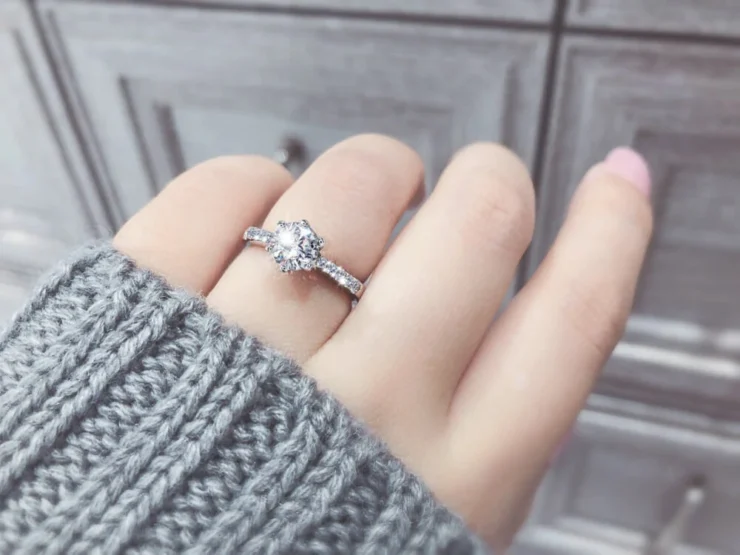
Pave work packs tiny diamonds tightly into the metal. Light dances along the band because of how they’re placed. Each little gem matters – none sit there just for show. A steady glow wraps around the ring when done right. These setups fit lab made stones perfectly
- Same shade means the rocks look right together
- Spending less means extra gems fit the price range
- Availability in small sizes is strong
A ring set with forty tiny diamonds keeps its sparkle without the high price. Starting at one end, each stone adds shine but not cost. Picture it on a hand – bright, clear, yet kind to budgets. Instead of rare gems, clever spacing gives fullness. Even close up, eyes catch light, not gaps. Less spending happens behind the scenes. Value hides in choices, not size. Sparkle stays high when design thinks smart.
Common Kinds of Pavement Explained
Stones sit just a bit differently depending on the method used. How they’re placed shifts quietly across techniques. Each setting holds them in its own way. Small gaps appear between styles if you look close enough.
- Micro pave uses very small stones for a fine surface
- French pave creates V-shaped cuts for more light
- U-cut pave exposes more of each stone
Light bounces off the band differently with every kind. Picking one? Think about look, then how tough it must be.
Durability and Everyday Use
Hardness matches between lab created and natural diamonds. A score of ten appears on the Mohs chart for both. What holds the gem plays a bigger role than the gem itself during everyday use. Tiny stones line pave set pieces, making caution necessary. Attention pays off when wearing such styles
- Bumps can hurt the strap. Hitting it too hard isn’t a good idea. Rough treatment leads to wear. The material doesn’t like strong hits. Sharp knocks cause damage over time
- Remove the ring during heavy work
- Check settings once a year
A loose little stone might get swapped out by a jeweler. Because of routine inspections, nothing goes missing.
Certification And Key Factors To Consider
Start by requesting proof from an established testing facility. Labs like IGI or GIA often handle diamond ratings. Look into each report carefully
- Cut grade
- Color grade
- Clarity grade
- Measurements and proportions
A tiny mark made by a laser might show up on the stone, just like in the document. That way, you know exactly what’s been recorded.
How Design Influences What You Buy
A ring’s shape shapes how it appears, also what it costs. Appearance shifts based on details built into its form. Price climbs when more detail shows up in the metalwork. Choices made early ripple through both style and spending.
Band Width
Some might prefer how slim bands feel light on the eye. Wider ones hold many small stones closely set together.
Metal Type
Common options include:
- White gold for a bright look
- Yellow gold for contrast
- Rose gold for warmth
A shift in metal shade alters the way diamonds show their tone. Take yellow gold – it often gives nearly colorless stones a brighter look through contrast.
Center Stone Compared to Accent Stones
Decide where you want to place value. You can:
- Focus on a larger center stone
- Balance size with a detailed pave band
Pave-set diamond rings manage to do two things at once. Though the middle stone is small, the intricate pave work gives it extra flair instead of relying on size alone. What stands out isn’t bulk – it’s the careful pattern wrapping around the center.
Common Mistakes to Avoid
Most people just look at how big it is. Because of that, the shaping often ends up messy. A few never check how stones are held. When tiny diamonds line a band, loose grips mean missing gems later. Skip those problems
- Do not choose low cut grades to save money
- Do not ignore certification
- Do not skip maintenance checks
A small diamond can sparkle more than a big one when the cutting is done well.
Resale And Long Term Value
Most times, diamonds made in labs sell for less when resold compared to those dug up. Supply plays a big role here. Think of buying one more like picking out jewelry you love instead of banking on gains later. What matters most? How it sparkles and what you pay now. Looks matter. So does staying within your means. When both are covered, lab created stones often make sense.
People Thinking About Lab Grown Diamonds
Think about these when:
- You want a larger stone within a fixed budget
- Quality that stays steady suits you best
- Focused on how it looks, not where it came from
For today’s shopper, knowing exactly what they pay for matters – clear prices match clear standards. A straightforward fit.
FAQ
Are lab grown diamonds real diamonds?
True. Just like those pulled from the earth, these stones match in both makeup and behavior. Yet each trait lines up perfectly – no difference you can see or test.
Do lab grown diamonds last as long?
Fine. These hold up equally well when worn every day.
Are pave diamond rings durable for everyday use?
Most days work fine if you treat them right. Spotting loose bits early keeps tiny gems from slipping away.