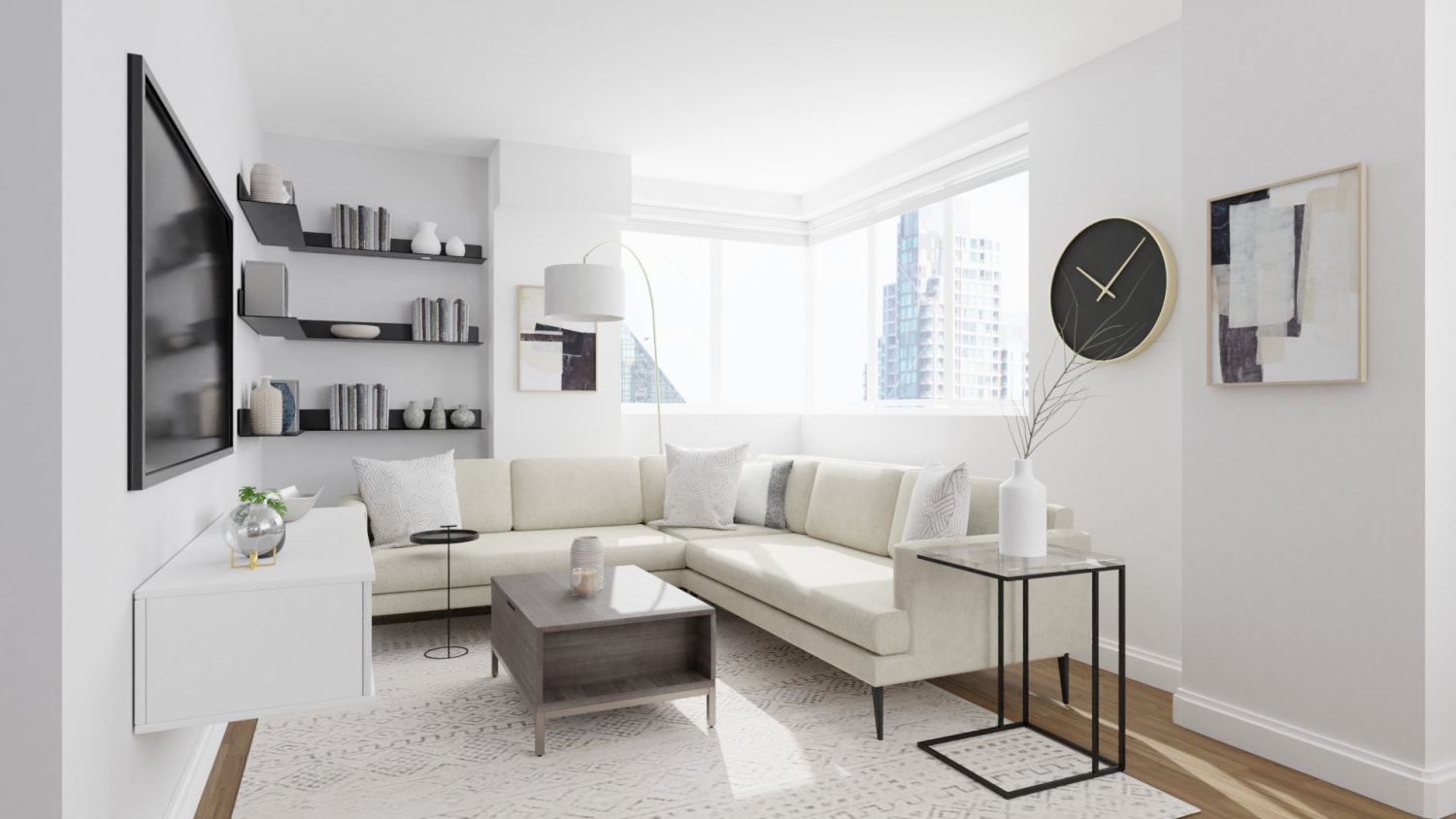

Right off the bat, how things look shapes opinions fast. A fancy shop, a hip coffee spot, or a big mall – each relies on appearance to win people over. Enter the retail photographer, someone who turns real rooms into pictures that pull folks in. Snapshots might seem easy at first glance, yet capturing interiors well takes skill beyond just pressing buttons. It’s less about gear, more about seeing angles others miss. Branding plays quiet but vital role here too. Details matter most when they go unnoticed.
Table of Contents
What Does a Retail Photographer Do?
Inside shops, one kind of photo work stands out – not just snapshots, instead visual storytelling meant to sell. These pictures do more than show space; they pull people in by showing how things feel when you walk through the door. Beauty matters here, certainly, however function drives every choice made behind the lens. Each frame gets shaped with intention, whether it is guiding eyes toward key items or shaping how shoppers see a brand. What looks like art often acts as quiet invitation, drawing interest across screens or down city streets.
Light spills just right when seasoned shooters handle the job, shaping how rooms feel through careful setup. What stands out most is how they balance shadows and brightness without making it obvious. A well-placed light can reveal texture in ways natural sun cannot always manage. These pictures do more than show walls – they suggest atmosphere before anyone steps inside. Floors catch reflections like still water, drawing eyes across the shot. Even quiet tones on fabric or paint get their moment because timing stays precise. Mistakes in colour tint vanish thanks to behind-the-scenes tweaks you never see. Editors and store owners alike respond better when spaces look true-to-life but also striking. Details stick around long after viewing if framed with intention instead of chance.
A single frame might shift how customers see a window display, especially when the photographer talks through ideas with shop managers before shooting. Lighting choices – sunlight spilling across shelves or steady studio lamps – shape whether a scene feels warm or sharp. Product placement gets tested like small experiments, moving items until the composition clicks without looking forced. Angles are picked not by habit but by what reveals texture, color flow, or empty space around an object. Each image must quietly echo the store’s voice, not shout it.
Key Skills and Techniques
A successful retail photographer combines technical mastery with creative vision. Some essential skills include:
-
Lighting Expertise: Lighting makes or breaks retail photos. Without it, items lose their pop while rooms seem dull – shadows stretch too far, tones turn flat. Sunlight pours in through windows, meeting artificial glow from softboxes; bounce cards redirect both where needed. Photographers juggle these tools until everything sits just right.
-
Composition and Framing: A single glance should flow naturally through the frame, drawn toward key details such as furniture arrangements, built-in structures, or artistic accents. Take interior photography – those who specialize understand that aligning angles just right can transform tight rooms into open, inviting scenes.
-
Post-Production Skills: Not simply color tweaks – editing fixes warped lines, balances light shifts, then sharpens surface details. In London, seasoned interior shooters lean on powerful tools so each shot hits a precise benchmark.
-
Attention to Detail: Picture how every chair lines up just right, while trinkets sit exactly where they should. Because of this care, photos come out sharp, clean, each detail meant to be seen.
No matter if it’s an interiors shooter or someone focused on buildings, certain abilities apply across the board. One path might spotlight construction lines and shapes; another tracks how folks move through rooms and stores. Structure often leads in one type of shot, while human presence guides the other.
Why Retail Photography Matters
Investing in high-quality retail photography can have tangible business benefits. In an era dominated by online shopping and social media marketing, the quality of visual content can influence a customer’s decision to visit a store or make a purchase. Here’s why professional photography is essential:
-
Enhanced Brand Perception: Well-executed images convey professionalism and attention to detail, reinforcing a brand’s identity. A boutique photographed by a skilled interior design photographer London will appear more polished and desirable than one captured with amateur techniques.
-
Improved Online Presence: E-commerce websites, social media profiles, and online advertising rely heavily on visuals. Crisp, vibrant photos attract more clicks and engagement, driving traffic to the store.
-
Press and Marketing Opportunities: Retail spaces often gain media coverage, whether in lifestyle magazines, design blogs, or social media features. Professional photographs increase the likelihood of coverage by presenting spaces in their best light.
-
Customer Experience: Beyond aesthetics, photography can help potential customers understand a store’s layout, offerings, and atmosphere. This virtual preview enhances the in-store experience, encouraging visitors to explore further.
Choosing the Right Photographer
Selecting the right professional is crucial. Businesses in London have access to a wide range of experts, from retail photographers London to architectural photographers London. When choosing a photographer, consider the following:
-
Portfolio and Style: Review previous work to ensure their style aligns with your brand. Are their images bright and airy, moody and dramatic, or modern and minimalistic?
-
Experience in Retail Spaces: A photographer familiar with retail environments understands the nuances of product placement, lighting challenges, and branding requirements.
-
Flexibility and Collaboration: A good photographer will work closely with your team, accommodating your vision while offering professional advice.
A few companies choose to work with a specialist who shoots indoor spaces, especially when the goal is showing how a room feels instead of highlighting single items. When these photographers team up with those shaping the rooms – like decorators or building planners – the images often turn out powerful.
Conclusion
Pictures do heavy lifting where stores compete for attention – each shot shapes how people see a brand. A specialist behind the lens brings sharpness, imagination, an intentional eye to every frame. Light lands right, angles feel deliberate, details stay clear because experience guides each step. What looks effortless comes from deep skill in shaping scenes long after the shutter closes.
From tiny shops in central London to huge stores across the country, good photos shape how people see your business. A skilled photographer does more than capture shelves – memories form around those images. Your shop stays in minds long after someone leaves. First impressions stick when visuals speak clearly. Details matter most when standing out feels rare. Strong imagery builds familiarity without saying a word. People return to what they recognize easily. Lasting presence begins with one clear shot.