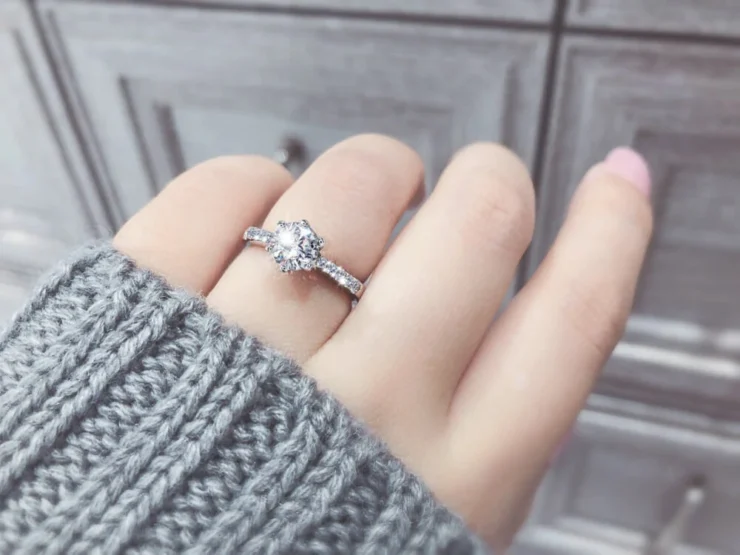

When people talk about diamonds, they often focus on size or price. But if we are being honest, the real magic of any diamond comes from its cut. This is especially true for lab diamonds, where precision cutting and modern technology play a huge role in creating brilliance. Whether you are shopping for an engagement ring or simply curious, understanding lab diamond cuts can help you make a smarter choice.
In this guide, we will break down what diamond cuts actually mean, how they affect appearance, and why lab diamonds offer some unique advantages when it comes to cut quality.
Table of Contents
What Does Diamond Cut Really Mean?
A diamond cut is not the same thing as diamond shape. This is a common misunderstanding. The cut refers to how well a diamond has been shaped, polished, and proportioned to reflect light.
A well cut diamond reflects light internally and returns it through the top, creating sparkle, fire, and brilliance. A poorly cut diamond, even if it is large or expensive, can look dull and lifeless.
With lab diamonds, cutters often have more control over the process. Since these diamonds are created in controlled environments, the rough material is more predictable, allowing for better planning and execution during cutting.
Why Cut Matters More Than You Think
You might be surprised to learn that cut has a bigger visual impact than clarity or color. A slightly lower color diamond with an excellent cut can look brighter than a higher color diamond with a poor cut.
This is where lab diamonds really shine. Manufacturers focus heavily on cut quality because they know buyers want maximum sparkle. Many lab diamonds are cut to ideal or excellent standards because there is less pressure to preserve weight at the expense of beauty.
Simply put, a great cut can make a modest diamond look stunning, while a bad cut can ruin an otherwise impressive stone.
Popular Lab Diamond Cuts Explained
Let us take a closer look at some of the most popular cuts available in lab diamonds today.
Round Brilliant Cut
The round brilliant cut is the most popular and widely recognized diamond cut. It is designed to maximize light reflection using 58 carefully placed facets.
Lab diamonds in round cuts often achieve exceptional brilliance because cutters can fine tune proportions with incredible accuracy. If sparkle is your top priority, this cut is hard to beat.
Princess Cut
The princess cut is square shaped and known for its sharp, modern look. It offers excellent brilliance and usually costs less than round diamonds of similar size.
Lab diamonds are particularly well suited for princess cuts because precise growth and cutting reduce the risk of weak corners, which are common in natural stones.
Cushion Cut
Cushion cuts have a soft, pillow like appearance with rounded corners. They combine a vintage feel with modern brilliance.
Many lab diamonds are cut in cushion shapes to enhance fire, especially when paired with slightly deeper proportions. This cut is ideal if you want something romantic but still eye catching.
Oval Cut
Oval cuts offer a similar sparkle to round diamonds but with an elongated shape that can make the stone appear larger.
Because lab diamonds can be planned more efficiently during growth, oval cuts often have fewer issues with symmetry or uneven light performance.
Emerald Cut
Emerald cuts are rectangular with step like facets. Instead of sparkle, they highlight clarity and elegance.
Lab diamonds are a strong choice for emerald cuts because they tend to have fewer inclusions. This makes the clean, open facets look crisp and refined.
How Lab Diamonds Are Cut Differently
One of the biggest advantages of lab diamonds is predictability. Natural diamonds come from the earth with irregular shapes, internal stress points, and inclusions that limit cutting options.
Lab diamonds, on the other hand, are grown under controlled conditions. This allows cutters to plan the ideal cut before the diamond is even formed. The result is better symmetry, fewer compromises, and more consistent quality.
This is one reason why lab diamond cuts often receive higher cut grades compared to many mined diamonds in the same price range.
Cut Grades and What to Look For
Most diamonds are graded by independent laboratories such as IGI or GIA. Cut grades typically include Excellent, Very Good, Good, Fair, and Poor.
When shopping for lab diamonds, aim for Excellent or Very Good whenever possible. These grades indicate strong light performance and attractive proportions.
Pay attention to the following factors:
- Table percentage
- Depth percentage
- Symmetry
- Polish
Even small differences in these areas can significantly affect how a diamond looks in real life.
Choosing the Right Cut for Your Style
There is no single best cut for everyone. The right choice depends on your personal taste, lifestyle, and budget.
If you love sparkle and classic designs, round or oval cuts are great options. If you prefer bold, modern lines, princess or emerald cuts might suit you better. Cushion and radiant cuts work well for those who like a softer, romantic look.
Lab diamonds give you the freedom to prioritize cut quality without overspending. Many buyers find they can afford a higher cut grade when choosing lab grown options.
Lab Diamonds and Ethical Cutting Practices
Another important aspect worth mentioning is sustainability. Lab diamonds require fewer resources and avoid many ethical concerns associated with traditional mining.
Because lab diamonds are produced responsibly, cutting facilities often follow stricter standards for safety and labor. This adds another layer of confidence when choosing a beautifully cut stone.
Final Thoughts on Lab Diamond Cuts
Understanding lab diamond cuts can completely change how you shop for diamonds. Cut is the key factor that determines brilliance, beauty, and overall appeal.
Thanks to modern technology, lab diamonds are often cut with exceptional precision, offering stunning results at a more accessible price point. Whether you choose a classic round or a stylish emerald cut, focusing on cut quality will help you get the most value and visual impact.