
Every time I visit London, I end up wandering through Hatton Garden even if I’ve got absolutely no reason to be there. Maybe it’s the soft clink of metal on metal in the workshops, or the way jewellers in their aprons lean over benches like artists mid-masterpiece. Whatever it is, that tiny pocket of the city always reminds me that love, for all its modern chaos, still inspires people to create things that last.
Over the past few years, something fascinating has been happening in those workshops—and across the UK more broadly. Couples aren’t just walking in and pointing to a ring in the window anymore. They’re designing their own. The shift toward bespoke engagement rings in the UK isn’t just a trend; it feels like a quiet rebellion against the cookie-cutter approach to one of life’s biggest promises.
As someone who writes about lifestyle trends for a living—and has spoken to more jewellers, designers, and freshly engaged couples than I can count—I’ve been genuinely surprised by how passionate people are about going bespoke. It’s not only about having something “unique.” It’s about making the ring feel like a piece of their story, not just an accessory that happens to fit on a finger.
Let’s dig into why these handcrafted pieces are becoming such an emotional—and practical—choice.
Table of Contents
1. The Meaning Hits Different When You Design It Yourself
A lot of engagement ring shopping still happens the traditional way: pop into a jewellery shop, try on a few sparkling contenders, walk out with a neatly wrapped box. Sweet, simple, timeless.
But designing a ring together? That’s a completely different experience.
You sit down with a jeweller. You talk about your partner’s personality, the way they dress, the little quirks that make them who they are. Their love of rose gold. Their obsession with geometric shapes. The fact they never wear anything too flashy. Suddenly, the conversation becomes less about diamonds and more about connection.
One jeweller I spoke with in Manchester told me that couples often get emotional during these design consultations—not because of the price tag, but because they feel like they’re creating something symbolic with intention. It turns the ring into a tiny time capsule of the relationship.
Honestly, who wouldn’t want that?
2. The UK Has Become a Hub for Fine Jewellery Design
If you’re thinking the UK’s love affair with bespoke jewellery is just a city-based trend, it isn’t. Yes, London has a long-standing reputation for excellence—Hatton Garden especially—but Manchester, Birmingham, Edinburgh and even some smaller regional studios are producing incredible custom pieces.
There’s something wonderfully British about the whole process too. Many of the jewellers still use traditional bench-crafting techniques that haven’t changed in decades. You’ll often find master artisans who trained under older generations, passing down knowledge like a family recipe.
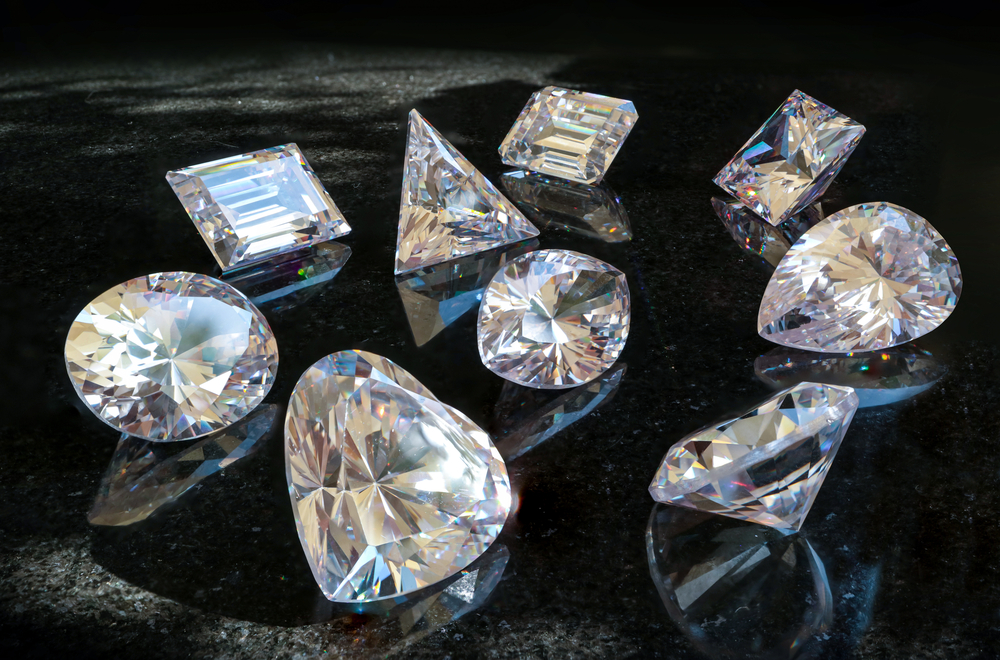
At the same time, younger designers are pushing boundaries with contemporary silhouettes, alternative stones and digital design tools. The blend of heritage and innovation is part of what makes bespoke engagement rings UK such a compelling search term right now. Couples can literally choose from old-world craftsmanship or modern artistry—or mix the two.
If you’re curious where to start, the team at bespoke engagement rings UK offers a really accessible introduction to the process. It’s not salesy or intimidating—just helpful, which is exactly what nervous ring-shoppers need.
3. Bespoke Doesn’t Mean “Ridiculously Expensive” Anymore
This one genuinely surprises people. I understand why—“bespoke” sounds like a word meant for the wealthy, or at least for people who know the difference between pavé and prong settings without Google.
But because of modern technology and the rising popularity of custom jewellery, the process has become far more accessible.
Here’s what can actually make bespoke more affordable:
a) You decide where the money goes
Instead of paying for branding or mass-market markups, you’re investing in craftsmanship and materials.
b) You’re choosing your stone
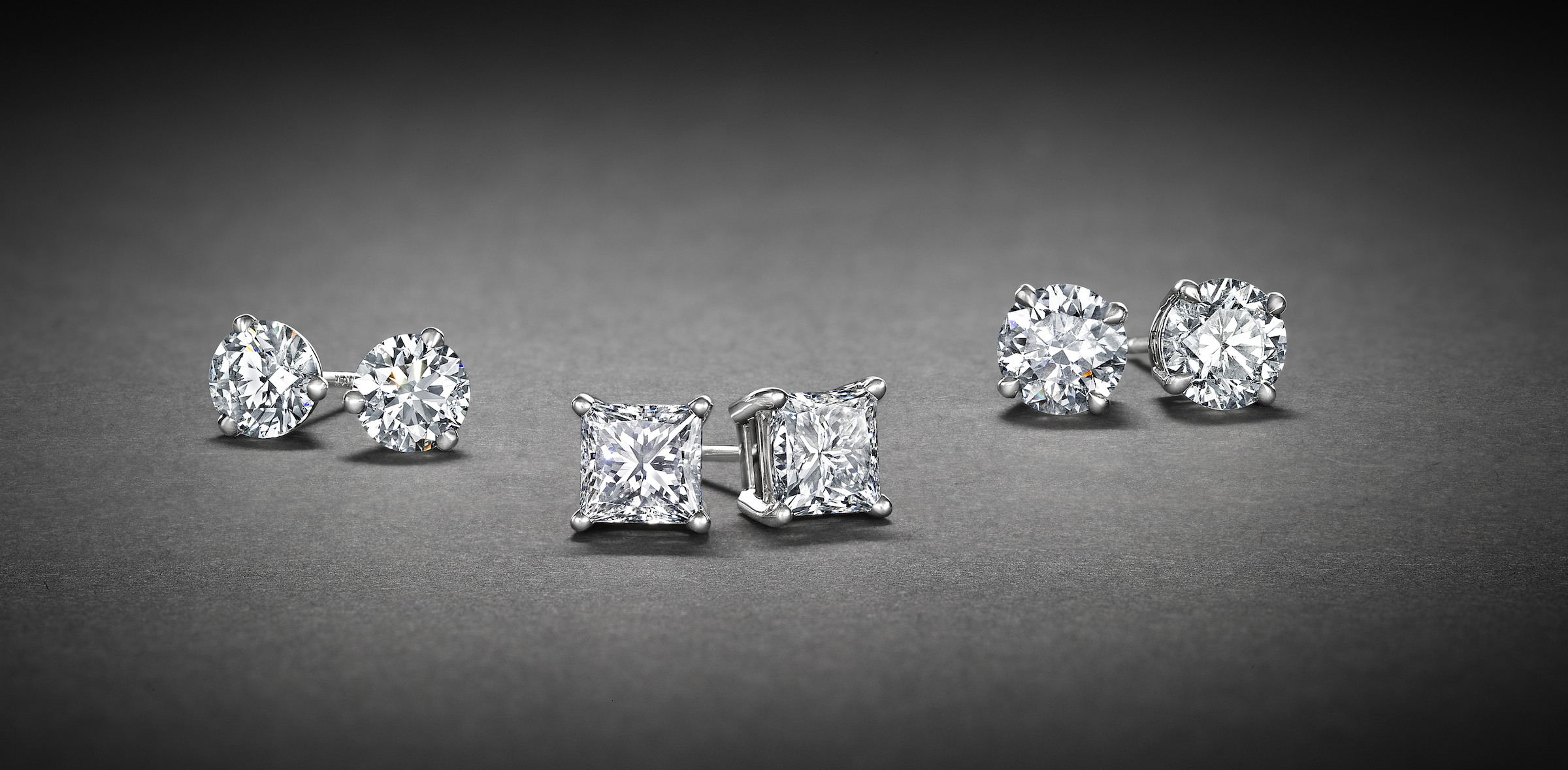
This is where people can save massively—especially if they’re open to lab made diamonds. Not long ago, lab-grown stones were treated as “alternatives.” Now? They’re chemically, physically, optically identical to mined diamonds, but cost a fraction of the price. Many UK jewellers specialise in them and even prefer working with them because they’re predictable in quality and avoid the murky ethical issues the natural diamond trade has faced.
If you’re curious about the backstory of these stones and why they’ve become such a cultural favourite, there’s a great read here: lab made diamonds.
c) You’re not paying for “extras” you don’t want
Want a simple solitaire with a thin band and clean lines? Great. No need to buy a ring overloaded with embellishments you aren’t actually into.
So yes, bespoke can be affordable. And no, the process doesn’t require a background in gemology or a glass of champagne in a velvet showroom. You just need a sense of what feels right.
4. Ethical and Environmental Transparency Is a Big Deal for Modern Couples
Something I’ve noticed—especially among younger buyers—is the desire to avoid supporting industries that feel opaque or ethically questionable.
Mining, unfortunately, falls into that category for many people.
This has inspired a shift toward:
- recycled metals
- lab-grown stones
- transparent supply chains
- jewellers who share their sourcing openly
It’s refreshing.
Lab-grown diamonds in particular have transformed the industry. They offer the brilliance and durability of traditional diamonds without the environmental strain of large-scale mining. They’re also ideal for anyone who wants a luxury ring without the ethical guilt trip.
And British jewellers, being the quietly meticulous operators they are, have embraced this demand in a way that feels both responsible and creatively exciting.
5. Personalisation Goes Far Beyond the Stone
One misconception about bespoke rings is that personalisation only refers to choosing the stone. In reality, almost every part of the ring can be tailored.
Here’s where people get creative:
- Band shape: soft curves, sharp edges, organic textures
- Metal finish: matte, hammered, polished, brushed
- Hidden details: a tiny gemstone on the inside of the band, an engraved date, even a small symbol only the couple understands
- Stone orientation: east–west settings are having a moment
- Mixed metals: a subtle two-tone look that’s making a quiet comeback
- Non-traditional stones: salt-and-pepper diamonds, sapphires, emeralds, teal diamonds
One jeweller I interviewed in Leeds told me they recently made a ring with a diamond set slightly off-centre to match the way the wearer’s hands move when they talk. I mean… that’s art. And romance.
This sort of detail is impossible to replicate in a mass-produced piece.
6. The Design Process Is Actually Enjoyable (Not Overwhelming)
People often assume designing a ring must be stressful. Too many choices, too many decisions, too much responsibility. But in reality, the process is surprisingly relaxed—almost therapeutic.
Most jewellers follow a similar flow:
- Consultation: a casual chat to understand the vision
- Sketching or CAD design: seeing the concept take shape
- Stone selection: the fun part, and often the emotional highlight
- Wax model (sometimes): trying the ring shape on your finger
- Crafting: artisans get to work
- Final fitting and polish: the big reveal
The process usually takes a few weeks to a couple of months. And because each step involves you, there’s no “hoping they’ll like it.” You already know they will.
One couple I spoke to described it as “pre-wedding therapy.” Another compared it to building a house together, but much less stressful and with a far cuter payoff.
7. It’s a Ring That Tells a Story—Not Just Its Own, But Yours
When you buy a ready-made ring, it has a past you’ll never really know. Where the stone came from. Who it was cut by. What other rings from the same collection look like.
With a bespoke ring, the story begins with you.
You remember sitting in a tiny studio sipping lukewarm tea while debating whether a pear-cut stone was too “extra.” You remember the jeweller telling you that your partner’s hand shape might suit something elongated. You remember holding your breath during the fitting, trying not to smile too widely.
Those moments become part of the ring.
And years later—maybe decades, even—you’ll tell those stories again. You’ll remember the little details and the decisions you agonised over and the ones you made instantly because they just felt right.
Bespoke rings don’t just symbolise love; they collect it.
8. A Practical Note: The Fit and Comfort Are Often Better
This is one of those things nobody tells you until you actually wear a ring every day: comfort matters.
A lot.
Mass-produced rings use standard band thicknesses and profiles, which don’t always match an individual’s finger shape or lifestyle. Bespoke rings can be tailored to feel like they belong on your hand.
Some people prefer:
- ultra-thin bands
- rounded inner edges
- a low setting that won’t snag on jumpers
- a sturdier band for active or outdoorsy lifestyles
One designer in Edinburgh told me she often adjusts the band proportionally to the wearer’s knuckles and finger muscle structure. I didn’t even know knuckle structure played a role, but apparently it makes a huge difference in how a ring sits.
9. The Sentiment of “Made for You” Just Hits Harder
Even if you’re not the sentimental type, it’s hard not to appreciate the intimacy of something handmade. It feels like the piece has been waiting for you the whole time, even though it didn’t exist until you imagined it.
I spoke to a newly engaged woman from Bristol who said the sweetest thing. Her partner had designed the ring with a jeweller, and when she asked him why he went bespoke, he said:
“I just didn’t want you to ever see someone else wearing your ring.”
Maybe I’m just soft, but that line stuck with me.
A Final Thought
Whether you’re the kind of person who’s dreamt of their engagement ring since high school, or someone who’s never given it much thought, there’s something deeply special about the bespoke approach. It slows you down. It makes you reflect on what you value—not just aesthetically, but emotionally.
And while trends come and go (oval cuts, hidden halos, skinny bands—who knows what’s next), a custom-made ring doesn’t chase fashion. It becomes its own category.
If you’re considering popping the question—or if you’re simply curious about the artistry behind modern jewellery—exploring bespoke options in the UK is worth the time. You might be surprised how meaningful the process becomes, even if you walk in thinking it’s “just a ring.”