If you’re shopping for an engagement ring or special piece of jewelry, you’ve probably come across the diamond 4Cs chart — a vital tool for evaluating diamond quality. But with the rising popularity of lab grown diamonds, many buyers are wondering how these two concepts intersect and what it means for their purchase. Understanding how the 4Cs apply to lab-grown options can empower you to make a smarter, more ethical, and budget-conscious decision.
Table of Contents
What Is the Diamond 4Cs Chart?
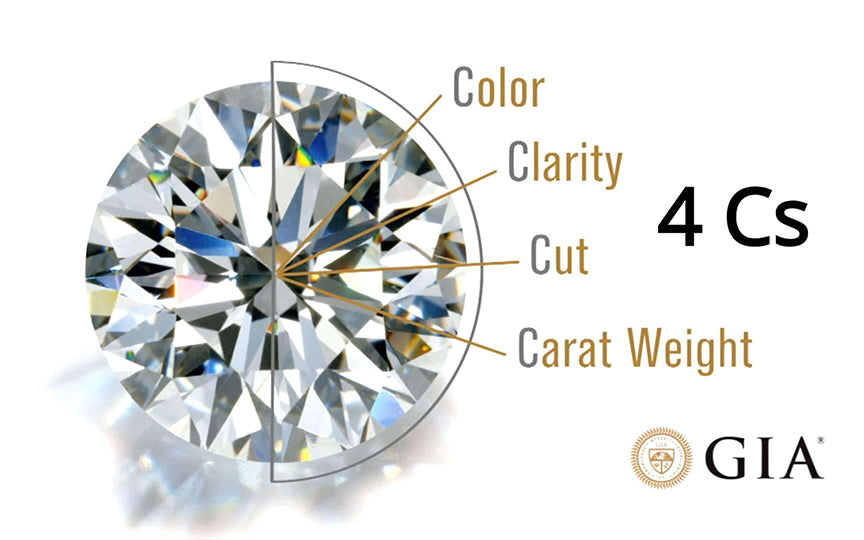
The diamond 4Cs chart is the universal standard for assessing a diamond’s quality. Created by the Gemological Institute of America (GIA), this system evaluates diamonds based on four key factors:
-
Cut – The quality of a diamond’s angles and proportions, which impacts how well it reflects light.
-
Color – The presence (or absence) of color in a white diamond.
-
Clarity – The number and location of internal or external flaws, called inclusions and blemishes.
-
Carat – The weight of the diamond, which often influences size and price.
Each “C” plays a crucial role in determining a diamond’s value and brilliance, and together, they help buyers compare stones objectively.
How the 4Cs Apply to Lab Grown Diamonds
Lab grown diamonds are physically, chemically, and optically identical to mined diamonds — and yes, they’re graded by the same diamond 4Cs chart. This means you can use the same criteria to evaluate their quality.
However, there are some subtle differences to consider:
-
Cut Quality: Lab diamonds are often cut with high precision due to better control during production.
-
Color: These diamonds can be produced with minimal color impurities, offering near-colorless grades more affordably.
-
Clarity: Lab conditions lead to fewer inclusions, so higher clarity is common.
-
Carat Weight: You can typically afford a larger carat in lab-grown stones compared to mined diamonds at the same budget.
Why Lab Grown Diamonds Are Changing the Industry
Sustainability and ethics are driving the rapid growth of lab grown diamonds. As people become more conscious of the environmental and social impact of mining, lab-created alternatives offer a guilt-free, sparkling solution.
Here are key reasons why consumers are turning to lab-grown stones:
1. Eco-Friendly and Conflict-Free
Mined diamonds often come with serious ethical concerns, from environmental damage to human rights violations. Lab grown diamonds, however, are made in controlled environments with minimal environmental impact and no human exploitation.
2. Cost Advantage
On average, lab grown diamonds cost 20–40% less than mined ones of equivalent quality. This means buyers can choose larger, better-quality stones without exceeding their budget.
3. Same Beauty and Brilliance
Despite being man-made, these diamonds are indistinguishable from natural ones. Only sophisticated lab equipment can tell them apart — not the naked eye.
4. Certified and Graded Like Natural Diamonds
Lab-grown stones come with grading reports from reputable labs like GIA, IGI, or GCAL. These reports use the same diamond 4Cs chart standards, providing full transparency.
How to Read a Diamond Grading Report
Whether you choose a mined or lab-grown stone, reading a diamond grading report is essential. Here’s what to look for on each C:
-
Cut: Ranges from Excellent to Poor. Always aim for Excellent or Very Good for maximum sparkle.
-
Color: Graded from D (colorless) to Z (noticeable yellow/brown). D–F are top-tier, but G–H also offer great value.
-
Clarity: Ranges from Flawless (FL) to Included (I3). VS1–VS2 and SI1 offer a balance of quality and affordability.
-
Carat: Choose based on preference and budget. Remember, carat affects price more than visual size.
Tips for Buying Lab Grown Diamonds Using the 4Cs
If you’re interested in purchasing lab grown diamonds, here’s how to apply the diamond 4Cs chart to get the best deal:
1. Focus on Cut Quality
The cut has the greatest influence on a diamond’s sparkle. A lower clarity or color grade can be masked by excellent cut, but a poorly cut diamond will always appear dull.
2. Go Slightly Lower on Color and Clarity
Thanks to the purity of lab-created gems, you can go for a G or H color and still enjoy a bright, white appearance. Similarly, VS2 or SI1 clarity will often look flawless to the naked eye.
3. Prioritize Size Based on Visibility
The jump in price from 0.90 to 1.00 carat can be significant, even though the size difference is minimal. Choosing a 0.95-carat lab grown diamond might save you hundreds while appearing virtually identical in size.
4. Compare Certificates
Always buy diamonds that are certified by trusted labs like GIA or IGI. These certifications ensure the diamond’s quality is independently verified.
Customizing Jewelry with Lab Grown Diamonds
Whether you’re choosing an engagement ring, pendant, or earrings, lab grown diamonds offer incredible flexibility for custom designs. Since these diamonds are more affordable, customers often choose to upgrade to a larger carat or more intricate setting without overspending.
Many jewelers now specialize in lab-grown options and provide online tools to help you visualize and design your ideal piece. Paired with knowledge of the diamond 4Cs chart, this makes it easier than ever to craft a piece that’s truly your own.
The Emotional Value of Lab Grown Diamonds
There’s a misconception that lab grown diamonds lack emotional value because they aren’t formed by nature. But for many, knowing that their diamond was created without harming people or the planet adds depth to its symbolism.
In fact, younger generations are redefining what makes a diamond meaningful. Instead of focusing on rarity, they value transparency, sustainability, and modern science.
Myths About the Diamond 4Cs and Lab Diamonds
Let’s clear up some common myths:
-
“Lab diamonds aren’t graded the same way.”
False. They are evaluated by the same strict diamond 4Cs chart standards. -
“Lab diamonds are fake.”
Not true. Cubic zirconia and moissanite are simulants — lab grown diamonds are real diamonds. -
“They don’t last.”
Another myth. Lab-grown stones are just as durable (a 10 on the Mohs scale) as mined diamonds and will last forever.
Final Thoughts
The diamond 4Cs chart remains an essential tool for evaluating any diamond — whether mined or lab grown. By combining this knowledge with the benefits of lab grown diamonds, today’s consumers are better equipped to make informed, ethical, and beautiful jewelry choices.
From brilliant engagement rings to custom pieces that reflect your unique style, lab-grown diamonds make luxury more accessible without sacrificing quality. They shine just as bright — if not brighter — thanks to the values they represent.