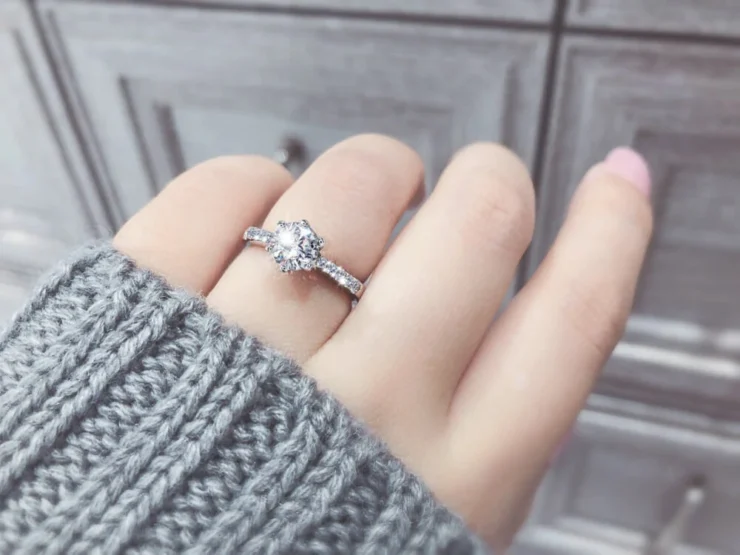

You are likely seeing more discussion about lab diamond rings as you shop for engagement jewelry or a personal piece. The interest is not driven by trends alone. It comes from clear shifts in how diamonds are made, priced, and evaluated. This article explains what you need to know so you can decide with confidence. The goal is clarity, not persuasion.
Table of Contents
What You Are Buying
A diamond is defined by its structure, not its origin. Whether formed underground or produced in a controlled setting, the crystal structure is the same. When you look at lab diamond rings you are looking at real diamonds. They are not simulants and they are not substitutes like cubic zirconia. They share the same hardness, brilliance, and durability as mined stones.
You will also hear other terms such as lab-created diamonds, lab-grown diamonds, or man-made diamonds. These phrases describe the same category. The difference is only language. The stone itself does not change.
How These Diamonds Are Made
There are two main methods used to create diamonds in a lab. High Pressure High Temperature uses conditions similar to those found deep in the earth. Chemical Vapor Deposition grows a diamond layer by layer from carbon gas. Both methods produce stones that can be cut and polished like any mined diamond.
You do not need to choose a method unless you have a specific reason. The finished stone matters more than the process. What you should check is the grading report and the quality of the cut.
Quality and Grading Standards
Diamonds are graded using the same standards regardless of origin. The four criteria remain cut, color, clarity, and carat weight. A reputable grading lab will evaluate the stone and issue a report. This document is your main source of truth.
Focus first on cut. A well-cut diamond reflects light evenly and looks lively in many lighting conditions. Color and clarity matter but only to a point. Many inclusions cannot be seen without magnification. Slight color differences are also hard to detect once the diamond is set.
Carat weight affects price more than appearance. Two stones with a small weight difference can look nearly identical in size. Choose the one that looks right to you rather than chasing a number.
Cost and Budget Control
One reason buyers turn to lab diamond rings is price transparency. Production costs are more stable than mining. This often results in lower prices for comparable quality. You can use this difference to adjust your priorities.
You might choose a larger stone at the same budget. You might invest in a better cut. Or you might keep the savings. None of these choices is better by default. What matters is that you decide based on your values and your finances.
Set a clear budget before you shop. Include the setting, taxes, and insurance. This prevents last-minute decisions that you may regret later.
Ethics and Environmental Impact
Many buyers care about sourcing. Lab production avoids many of the issues tied to mining such as land disruption and labor risks. Energy use still matters and varies by producer. Some labs use renewable power while others do not.
If this aspect matters to you, ask direct questions. Request information about energy sources and workplace standards. You are entitled to clear answers.
Design and Setting Choices
The setting affects how the diamond looks and how it wears over time. Prong settings allow more light and show the stone clearly. Bezel settings protect the edges and suit active lifestyles. Halo designs add visual size but require more maintenance.
Metal choice also matters. Platinum is dense and durable but heavier. Gold offers options in color and weight. White gold needs periodic plating. Yellow and rose gold change less over time.
When choosing a design, think about daily wear. Consider your hands and your habits. A ring that fits your life will feel natural.
Sizing and Fit
Proper sizing prevents damage and discomfort. Measure your finger at the end of the day when it is at its largest. Avoid sizing in cold weather. If you are between sizes, choose the larger option.
Some designs are easier to resize than others. Ask before you buy. This matters more for eternity bands or complex settings.
Care and Maintenance
Diamonds are hard but settings are not. Clean your ring regularly with warm water, mild soap, and a soft brush. Dry it fully. Avoid harsh chemicals. Remove the ring during heavy work or exercise.
Have the setting checked once a year. Loose prongs can cause stone loss. Routine checks are simple and prevent costly repairs.
Resale and Insurance
Insurance protects against loss, theft, and damage. Get an appraisal that matches your purchase details. Update it if prices change or if you alter the ring.
Resale value varies. Lab made diamonds generally resell for less than their purchase price. This is not unique. Many jewelry items follow the same pattern. If resale matters to you, consider this before you buy.
Common Questions You May Have
-
Are these diamonds durable? Yes. They rank the same on the hardness scale as mined stones.
-
Can experts tell the difference? Specialized equipment can identify origin. Visual inspection cannot.
-
Do they look different over time? No. Diamonds do not age in that way.
Conclusion
Choosing lab diamond rings is a practical decision when you understand the facts. You are buying a real diamond with known quality and clear pricing. The key is to focus on grading reports, design, fit, and care. When you do this, you end up with a ring that serves your purpose and fits your life.