
A wedding band is one of the few pieces of jewelry worn almost every day. It needs to feel comfortable, suit your personal style, and hold up through years of regular use. For couples who want the sparkle of diamonds without the higher price often associated with mined stones, lab-grown options deserve a closer look.
A lab diamond wedding band offers the same diamond material found in natural stones, with more flexibility in design and budget. The real decision comes down to choosing a ring that looks beautiful and works with your lifestyle.
Table of Contents
Why Lab-Grown Diamonds Appeal to Couples
Lab-grown diamonds are created in controlled environments using advanced technology. They have the same chemical composition and crystal structure as mined diamonds. Both are made of carbon and share the same hardness of 10 on the Mohs scale.
The main difference is their origin. Natural diamonds form deep underground over extremely long periods, while laboratory production typically takes weeks.
Many couples choose man made diamonds because they generally cost less than comparable mined stones. That price difference can make room for a wider band, larger diamonds, or a more detailed setting without stretching the wedding budget.
However, prices vary depending on diamond quality, metal choice, and the jeweler.
Choosing a Band That Fits Your Style
Diamond wedding bands come in several designs, each offering a different balance of sparkle and practicality.
Eternity and Half-Eternity Bands
An eternity band features diamonds around the entire ring. It creates continuous sparkle, although resizing can be difficult because stones cover the full circumference.
A half-eternity band places diamonds across the visible upper portion. This design often costs less, feels comfortable against neighboring fingers, and allows more flexibility for future resizing.
Pavé and Channel Settings
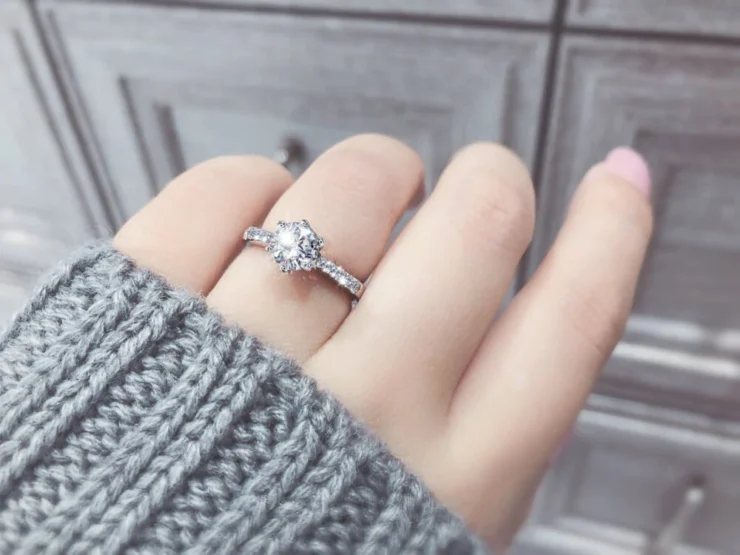
Pavé bands use small diamonds set close together, creating a delicate, shimmering surface. They’re especially popular alongside solitaire engagement rings.
Channel settings hold diamonds between two strips of metal. Their smoother edges can appeal to people who prefer jewelry that catches less easily on clothing.
Neither setting eliminates the need for occasional inspections. Small stones can loosen after repeated impacts.
Diamond Quality Matters More Than Size Alone
A larger diamond doesn’t automatically make a better wedding band. Cut quality, color, clarity, and consistency between stones all influence its appearance.
Well-cut diamonds reflect light effectively, giving the ring noticeable sparkle. In bands containing multiple stones, matching their color and proportions helps create a balanced appearance.
For larger individual diamonds, ask whether an independent grading report is available. GIA and IGI are established grading organizations, although their reporting formats and services differ.
Smaller accent stones are often sold without individual reports. In that case, request written details about their quality and any treatment disclosures.
Picking the Right Metal for Daily Wear
The metal surrounding the diamonds affects both appearance and maintenance.
14K gold is a popular everyday choice because its alloy composition generally makes it more resistant to deformation than higher-karat gold. Yellow gold creates a warm contrast with white diamonds, while white gold provides a cooler appearance.
Platinum offers a naturally white finish and substantial feel. It develops a patina with wear, which some people appreciate.
White gold may require occasional rhodium replating to maintain its bright surface. Consider these maintenance differences before choosing a metal based on appearance alone.
Comfort, Sizing, and Everyday Practicality
A ring can look perfect in a display case but feel uncomfortable after several hours.
Band width, thickness, and the height of the diamond setting affect daily comfort. Wider rings sometimes require a slightly larger size than narrow bands.
Try different profiles before purchasing. A comfort-fit interior, with gently rounded inner edges, may feel better during extended wear.
If you’re pairing the band with an engagement ring, check whether the two sit flush. Raised settings, protruding prongs, and mismatched shapes can leave gaps or cause rubbing.
Caring for Your Wedding Band
Diamonds resist scratching, but their settings and surrounding metals can still suffer damage.
Clean the ring with warm water, mild dish soap, and a soft brush. Rinse thoroughly and dry with a lint-free cloth.
Remove it before heavy lifting, contact sports, or activities involving harsh chemicals. Have a jeweler inspect the prongs and stone security periodically, particularly if you wear the ring daily.
A Ring Worth Choosing Carefully
Before purchasing a lab diamond wedding band, compare more than the listed price. Check the return policy, resizing options, warranty terms, and whether the seller provides clear information about the diamonds.
Although man made diamonds offer an attractive alternative to mined stones, resale value can be limited, and prices may change as production expands.
Choose a design that feels comfortable, complements your existing jewelry, and fits your budget. A thoughtfully selected band should remain enjoyable to wear long after the wedding day.